Sensory Play Ideas for Brain Development
*We may earn a commission for purchases made using our links. Please see our disclosure to learn more.
Sensory play serves as a cornerstone of early childhood development, offering children rich opportunities to explore the world through touch, sight, sound, smell, and taste. These hands-on experiences do far more than simply entertain—they actively build neural pathways that support cognitive growth, emotional regulation, and physical coordination. From squishing playdough to exploring textured materials, sensory activities create meaningful learning moments that strengthen brain architecture during the critical early years.
Research consistently demonstrates that sensory-rich environments stimulate multiple brain regions simultaneously, enhancing memory formation, problem-solving abilities, and creative thinking. When children engage their senses, they’re not just playing—they’re building the foundation for future academic success and lifelong learning.
“Sensory play is not just about entertainment—it’s the work of childhood. Through their senses, children build the neural architecture that will support every aspect of their future learning, from reading and mathematics to emotional regulation and social relationships.”
— Early Childhood Development Research Institute
Key Takeaways
- Sensory play strengthens neural connections and supports cognitive development across multiple brain regions
- Multi-sensory activities enhance memory retention, focus, and problem-solving skills in young children
- Tactile experiences promote fine motor skills while supporting emotional regulation and stress reduction
- Simple household materials can create powerful sensory learning opportunities without expensive equipment
- Regular sensory play builds the foundation for academic readiness and social-emotional competence
Best Sensory Play Ideas With Recommended Products
Kinetic Sand Scents Ice Cream Treats Playset
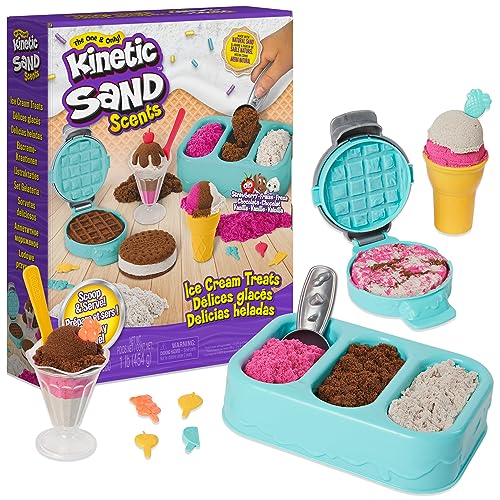


The Kinetic Sand Scents Ice Cream Treats Playset is a fun, hands-on toy that brings sensory play ideas to life. Featuring three scented sand colors—Strawberry, Chocolate, and Vanilla—this playset lets kids mold, scoop, and create their own pretend ice cream treats. With six included tools and accessories, children can shape sundaes, cones, waffles, and more while enjoying the soft, soothing texture of kinetic sand. Perfect for sensory bins, holidays, birthdays, or everyday play, this set encourages creativity, fine motor skills, and imaginative learning.
If you’re looking for sensory play ideas that keep kids engaged while supporting hands-on learning, the Kinetic Sand Scents Ice Cream Treats Playset is a top pick. This themed sensory kit includes one pound of soft, moldable kinetic sand in three dessert-inspired colors and scents, giving children a fun way to explore touch, smell, and imaginative building.
- Sensory-Rich Experience: Soft, scented sand adds smell + texture for multi-sensory play.
- Creative Play Options: Kids can mold cones, sundaes, and waffles with included tools.
- Great Gift Value: Affordable and highly rated, perfect for holidays or stocking stuffers.
- Can Get Messy: Requires a tray or mat to keep sand contained.
- Small Accessories: Some pieces may be easy to lose.
- Limited Sand Quantity: May need extra kinetic sand for bigger builds.
Kiditos Magic Water Elf Toy Kit


The Kiditos Magic Water Elf Toy Kit is a fun, hands-on sensory activity perfect for kids who love DIY projects and creative play. Featuring 10 vibrant magic gels, 6 sea-creature molds, magic powder, and a net, this kit lets children make their own squishy water pets. Its bright colors, tactile textures, and simple step-by-step process make it an excellent option for parents searching for sensory play ideas that build fine motor skills and spark imagination. Safe, non-toxic, and eco-friendly, it’s ideal for birthdays, parties, holidays, and at-home STEM learning.
If you’re looking for sensory play ideas that combine creativity, science, and tactile fun, the Kiditos Magic Water Elf Toy Kit is a standout choice. This colorful DIY kit lets children create their own squishy sea creatures using magic gels and molds, giving them a unique hands-on project that feels both magical and educational.
- Creativity-Boosting: DIY gel pets encourage imagination, color recognition, and hands-on learning.
- Great Sensory Play: Soft, squishy textures make it perfect for sensory play ideas and tactile fun.
- Safe & Kid-Friendly: Non-toxic gels and materials suitable for kids ages 3+.
- Mess Potential: Water + gel can get messy without a tray or supervision.
- Takes Time to Set: Kids may need patience while gel pets form.
- Small Molds: Limited size can restrict larger creations.
Textured Sensory Balls Set


The ROHSCE Sensory Balls for Babies are soft, textured, multicolor balls designed to support early learning and development. Made from BPA-free, non-toxic foam, each ball features unique shapes and textures that encourage tactile play, grasping, squeezing, and visual exploration. Perfect for introducing sensory play ideas to babies 6–12 months, these balls stimulate fine motor skills, color recognition, and hand-eye coordination. Safe, easy to clean, and ideal for infants and toddlers, they make a great gift for everyday play, therapy activities, and Montessori-inspired learning.
When exploring sensory play ideas for babies 6–12 months, the ROHSCE Sensory Balls stand out as a versatile and developmentally supportive toy set. Each ball features a different texture—ridges, bumps, lines, and soft spikes—designed to help babies build tactile awareness and hand strength as they grab, squeeze, and roll.
- Tactile Variety: Multiple textures support sensory play ideas and help develop fine motor skills.
- Safe for Babies: BPA-free foam with no small parts meets US safety standards.
- Easy to Clean: Wipes clean quickly, making them ideal for everyday use.
- Foam Can Wear Over Time: Heavy chewing may reduce durability.
- Squeaky Sound Is Soft: Some parents may want louder auditory feedback.
- Limited Size Variety: All balls are similar in size, not oversized.
Pairez Foam Building Blocks for Toddlers


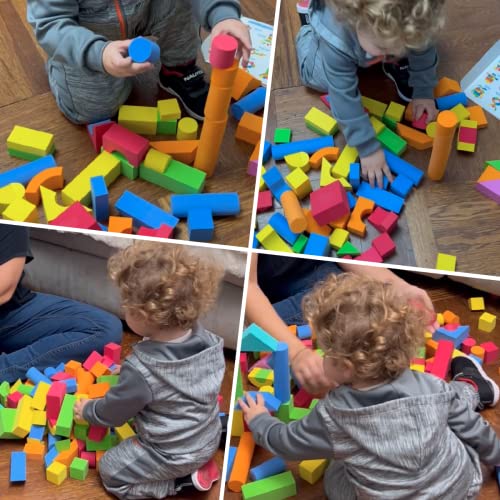
The Pairez Foam Building Blocks for Toddlers are a 41-piece set of soft, colorful EVA blocks designed to encourage creative play and early learning. With multiple shapes and bright colors, these stacking blocks provide a safe, tactile way for toddlers 18+ months to develop fine motor skills, hand-eye coordination, and spatial awareness. Waterproof and lightweight, they can even be used during bath time for extra fun. Perfect for introducing sensory play ideas, these blocks help children explore construction, color recognition, and imaginative building while staying safe.
For toddlers exploring sensory play ideas, the Pairez Foam Building Blocks offer a colorful, hands-on way to develop essential skills. This 41-piece set includes blocks in various shapes and bright colors, perfect for stacking, building, and creating imaginative structures. Each block is soft and lightweight, making them safe for toddlers 18+ months while providing tactile stimulation that enhances fine motor skills and hand-eye coordination.
- Encourages Creativity: Stack, build, and assemble to spark imagination and problem-solving.
- Safe & Soft: EVA foam blocks are lightweight, non-toxic, and toddler-friendly.
- Versatile Play: Can be used on floors, tables, or in the bath for sensory exploration.
- Limited Quantity: 41 pieces may not be enough for larger group play.
- Simple Shapes: May need additional blocks for more complex structures.
- Can Float in Bath: Blocks may move around too much during water play.
Understanding Sensory Play’s Impact on the Brain
The developing brain thrives on sensory input. Each time a child explores a new texture, observes color changes, or listens to different sounds, neurons fire and form connections that build the brain’s architecture. These synaptic connections become stronger with repeated sensory experiences, creating efficient neural pathways that support learning across all domains.
The prefrontal cortex, responsible for executive functions like planning and decision-making, develops significantly through sensory exploration. When children manipulate materials, they engage in hypothesis testing—predicting outcomes, experimenting with cause and effect, and adjusting their approaches based on results. This scientific thinking emerges naturally through open-ended sensory play.
Sensory experiences also activate the hippocampus, the brain’s memory center. Multi-sensory learning creates stronger, more accessible memories than single-sense experiences. A child who sees, touches, and smells cinnamon while baking will form more robust memories than one who only reads about it.
Visual Sensory Activities
Visual stimulation plays a crucial role in cognitive development, supporting attention, pattern recognition, and spatial awareness. Color-mixing activities provide fascinating opportunities for observation and prediction. Providing clear containers with colored water and droppers allows children to experiment with creating new colors, understanding gradual change, and developing concentration.
Light tables offer captivating visual exploration. Translucent materials like colored blocks, leaves, or fabric placed on illuminated surfaces create stunning effects that hold attention while teaching concepts about transparency, shadow, and light. These activities naturally encourage sustained focus and detailed observation.
Nature-based visual exploration connects children to their environment while supporting observational skills. Creating collections of natural materials sorted by color develops categorization abilities and attention to detail. Examining leaves, flowers, or stones under magnifying glasses reveals intricate patterns that stimulate curiosity and scientific thinking.
Tactile Exploration Activities
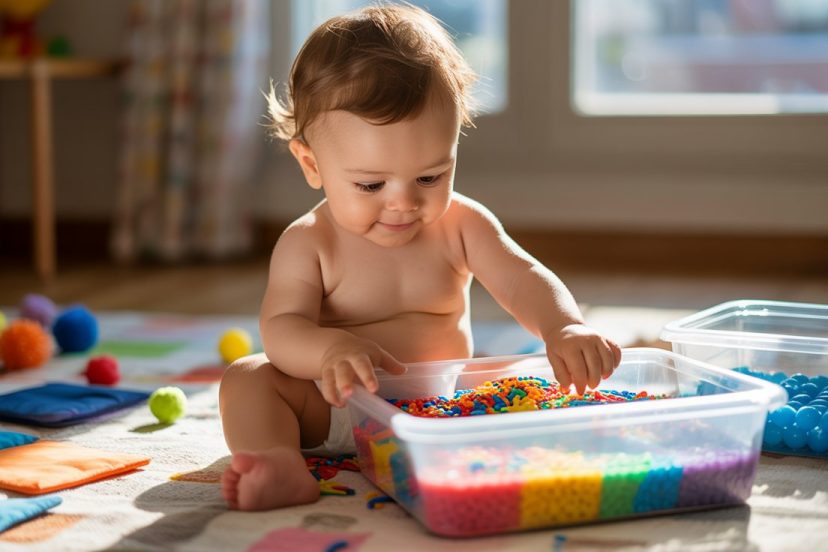
Touch provides some of the most powerful sensory input for brain development. Tactile experiences activate large areas of the sensory cortex while supporting fine motor skills essential for writing and self-care tasks. Sensory bins filled with varied materials offer rich tactile exploration opportunities.
Rice, beans, sand, or pasta create excellent base materials for sensory bins. Adding scoops, containers, and small objects to find turns simple materials into engaging learning environments. The repetitive actions of pouring, scooping, and transferring materials build hand strength and coordination while providing calming sensory feedback.
Playdough and clay activities offer exceptional developmental benefits. The resistance of these materials provides proprioceptive input that helps children understand their body’s position and movement. Squeezing, rolling, and shaping strengthen hand muscles while encouraging creativity and symbolic thinking.
Texture boards featuring materials like sandpaper, fabric, bubble wrap, and corrugated cardboard develop tactile discrimination—the ability to identify objects by touch alone. This skill supports later academic abilities like distinguishing similar letters and numbers through feel.
Auditory Sensory Experiences
Sound processing significantly impacts language development, reading skills, and attention regulation. Musical activities provide exceptional auditory stimulation while supporting rhythm recognition, pattern awareness, and emotional expression. Simple instruments like shakers, drums, and bells allow children to experiment with creating and controlling sounds.
Sound-matching games develop auditory discrimination. Filling containers with materials like rice, beans, bells, or water creates shakers with distinct sounds. Children can shake, compare, and match containers by sound alone, building listening skills essential for phonemic awareness.
Nature walks focused on listening cultivate auditory attention. Encouraging children to close their eyes and identify sounds—bird calls, wind in trees, footsteps on different surfaces—builds sound awareness and mindfulness. Recording these sounds and playing them back creates additional opportunities for memory and recognition activities.
Vocal exploration through singing, humming, and sound effects supports language development while providing emotional expression opportunities. Experimenting with volume, pitch, and rhythm teaches control and variation while making language learning playful and engaging.
Olfactory and Gustatory Activities
Smell and taste, often overlooked in sensory play, provide powerful memory triggers and support brain development in unique ways. The olfactory system connects directly to the limbic system, influencing emotions and memory formation. Scent-based activities create lasting memories while developing discrimination skills.
Scent jars containing herbs, spices, or extracts like vanilla, peppermint, or cinnamon offer safe olfactory exploration. Children can smell, compare, and match scents while building vocabulary to describe sensory experiences. This language development around abstract sensory qualities supports communication skills.
Cooking activities provide exceptional multi-sensory learning opportunities, combining smell, taste, sight, and touch. Measuring ingredients develops mathematical concepts, following recipes builds sequencing skills, and observing transformations teaches science concepts. The engagement of multiple senses simultaneously creates strong neural connections.
Taste-testing activities with varied flavors—sweet, sour, salty, bitter—develop gustatory discrimination while expanding food acceptance. Describing taste experiences builds descriptive language while teaching children to articulate their sensory preferences and experiences.
Movement-Based Sensory Play
Vestibular and proprioceptive input—gained through movement and body awareness—are essential for coordination, balance, and spatial reasoning. Large motor activities that challenge balance and body positioning support brain regions responsible for motor planning and execution.
Obstacle courses incorporating crawling, climbing, balancing, and jumping provide varied movement experiences. Navigating physical challenges requires motor planning, spatial awareness, and problem-solving. These activities strengthen the cerebellum, which coordinates movement and supports cognitive functions like attention and language.
Heavy work activities like pushing, pulling, carrying, or climbing provide proprioceptive input that helps children regulate their arousal levels. These calming activities support attention and emotional regulation, making them particularly valuable before focused tasks or during transitions.
Balancing activities on wobble boards, balance beams, or even lines on the floor develop vestibular processing. The inner ear’s vestibular system influences not only balance but also attention, arousal regulation, and spatial orientation—all crucial for learning.
Creating Multi-Sensory Learning Experiences
The most powerful sensory activities engage multiple senses simultaneously. Multi-sensory experiences create stronger neural connections than single-sense activities, enhancing memory formation and learning retention. Themed sensory experiences naturally combine various sensory inputs.
Beach-themed sensory bins might include sand, shells, blue water beads representing water, and ocean sound recordings. Children simultaneously experience touch, sight, sound, and even smell if ocean-scented elements are added. These rich, integrated experiences mirror real-world learning where senses work together.
Seasonal sensory tables reflecting current weather and natural changes connect learning to children’s lived experiences. Autumn bins might feature leaves, pinecones, cinnamon scents, and orange and brown materials. Winter versions could include cotton balls, white materials, peppermint scents, and ice.
Story-based sensory activities bring literature to life through hands-on exploration. After reading about the ocean, creating an ocean sensory bin allows children to physically interact with story concepts. This connection between abstract literacy and concrete sensory experiences deepens comprehension and engagement.
Adapting Sensory Play for Different Ages
Sensory play benefits children across developmental stages, though appropriate activities vary by age and ability. Infants benefit from simple sensory experiences like fabric books with varied textures, high-contrast visual patterns, and gentle music or nature sounds.
Toddlers thrive with contained sensory bins, large manipulatives, and supervised exploration of varied materials. Their developing fine motor skills benefit from activities like transferring objects with large scoops or tongs, simple playdough manipulation, and water play with containers.
Preschoolers can engage in more complex sensory activities with smaller materials, extended projects, and activities requiring greater fine motor control. They benefit from sensory activities integrated with literacy, math, and science concepts—counting objects in sensory bins, creating patterns, or predicting outcomes.
School-age children continue benefiting from sensory input, though activities can become more sophisticated. Science experiments, complex building projects, detailed art activities, and cooking provide age-appropriate sensory stimulation while supporting academic learning.
Sensory Play for Regulation and Emotional Development
Beyond cognitive benefits, sensory activities powerfully support emotional regulation and stress reduction. The repetitive, predictable nature of many sensory activities provides calming input that helps children manage overwhelming emotions or excess energy.
Activities involving water, sand, or repetitive movements like squeezing playdough activate the parasympathetic nervous system, promoting relaxation and calm. These activities serve as valuable tools for helping children transition between activities or recover from stressful situations.
Sensory play also supports emotional expression and processing. Children often work through feelings and experiences during open-ended play with sensory materials. The non-verbal nature of sensory exploration provides a safe outlet for emotions that children may not yet have words to express.
Building tolerance for varied sensory experiences through regular exposure helps children develop flexibility and adaptability. Gradual introduction to different textures, sounds, and sensations builds confidence and reduces sensory defensiveness or aversions.
Safety Considerations and Supervision
While sensory play offers tremendous benefits, safety remains paramount. Adult supervision ensures appropriate use of materials and prevents choking hazards, particularly with younger children. Material selection should consider age-appropriateness and individual sensitivities.
Small materials like beads, buttons, or small toys should only be used with children past the mouthing stage. For younger children, larger items like scarves, large blocks, or supervised food-based sensory materials provide safe alternatives.
Allergy awareness is essential, particularly with food-based sensory activities. Checking for food allergies before introducing materials like flour, nuts, or other potential allergens protects children from reactions. Non-food alternatives exist for most sensory experiences.
Regular cleaning and material replacement maintain hygienic sensory play environments. Stored sensory materials should be checked for mold, contamination, or deterioration before use. Hands should be washed before and after sensory activities, particularly those involving food materials.
Simple, Budget-Friendly Sensory Activities
Effective sensory play doesn’t require expensive materials or elaborate setups. Many powerful sensory experiences use common household items, making brain-building activities accessible to all families and educators.
Water play ranks among the most versatile and engaging sensory activities. Simple containers, measuring cups, funnels, and sponges transform water into an endlessly fascinating material for exploration. Adding dish soap creates bubbles for additional sensory input.
Kitchen ingredients provide excellent sensory materials. Flour, rice, pasta, beans, and oatmeal create varied sensory bin bases. Spices add interesting scents, while food coloring transforms familiar materials into exciting new experiences.
Natural materials collected during outdoor exploration offer free, engaging sensory options. Pinecones, leaves, sticks, rocks, and flowers provide varied textures and opportunities for sorting, building, and creative play. These materials connect children to nature while supporting sensory development.
Recyclable materials like cardboard boxes, plastic containers, fabric scraps, and paper create construction, sorting, and creative play opportunities. These readily available materials encourage problem-solving and creativity while providing diverse sensory input.
Integrating Sensory Play Into Daily Routines
Sensory experiences need not be isolated activities but can integrate naturally into daily life. This integration ensures consistent sensory input while making enrichment activities manageable for busy families and educators.
Meal preparation offers natural multi-sensory learning. Children can wash vegetables, tear lettuce, measure ingredients, and observe cooking transformations. These practical activities provide sensory input while teaching life skills and building family connections.
Bath time becomes sensory play with simple additions like measuring cups, sponges, washcloths, and bath-safe toys. Exploring water temperature, soap bubbles, and pouring activities makes routine care into learning opportunities.
Outdoor time naturally provides varied sensory input. Walking barefoot on grass, digging in dirt, climbing trees, and exploring natural environments offer rich sensory experiences while supporting physical development and environmental connection.
Transition times benefit from quick sensory activities that help children shift between activities. Simple movement breaks, brief textured material exploration, or listening to calming music supports regulation while preventing behavioral difficulties during changes.
Observing and Supporting Individual Sensory Preferences
Children display unique sensory preferences and sensitivities that influence their play preferences and learning styles. Observing these individual differences allows caregivers to tailor sensory experiences for optimal engagement and development.
Some children are sensory-seeking, craving intense input through rough play, loud sounds, or strong flavors. These children benefit from activities providing substantial sensory feedback like heavy work tasks, intense movement activities, or highly textured materials.
Other children are sensory-sensitive, becoming overwhelmed by intense input. They prefer quieter environments, gentle touches, and subtle sensory experiences. Gradual exposure to varied sensations, starting with mild versions, helps these children expand their comfort zones without distress.
Balanced sensory diets—daily combinations of sensory activities addressing individual needs—support optimal regulation and development. Just as nutritional diets require varied food groups, sensory diets include different types of sensory input throughout the day.
Recognizing when children need calming versus alerting sensory input allows responsive support. Lethargic children might need energizing activities like jumping or upbeat music, while overstimulated children benefit from calming activities like gentle rocking or quiet tactile exploration.
Conclusion
Sensory play represents far more than simple entertainment—it constitutes essential work that builds the brain’s foundation for all future learning. Through exploration of textures, sounds, sights, smells, and tastes, children construct neural pathways supporting cognitive abilities, emotional regulation, and physical coordination. These experiences create the architecture for academic success, creative thinking, and adaptive problem-solving.
The beauty of sensory play lies in its accessibility. Effective brain-building activities don’t require expensive equipment or specialized training. Simple materials, thoughtful observation, and opportunities for open-ended exploration provide powerful developmental support. Whether through water play at the kitchen sink, nature exploration in the backyard, or purposefully designed sensory bins, children’s brains benefit from rich sensory experiences.
Prioritizing sensory play in early childhood settings and homes gives children the foundation they need to thrive. These playful experiences create lasting impact, building not just immediate skills but the neural infrastructure supporting lifelong learning, creativity, and wellbeing.
Frequently Asked Questions
What age should children start sensory play?
Sensory play benefits children from infancy through school age and beyond. Even newborns experience sensory development through varied textures, sounds, and visual patterns. Activities should be adapted to developmental stages, with infants experiencing simple sensory exposures and older children engaging in complex, multi-sensory projects. The key is providing age-appropriate materials with proper supervision while allowing children to explore at their own pace.
How long should sensory play sessions last?
Session length depends on the child’s age, attention span, and interest level. Toddlers might engage for 10-15 minutes, while preschoolers and school-age children often sustain interest for 30-60 minutes or longer with compelling activities. Following the child’s lead is more important than predetermined time limits. Some children benefit from brief, frequent sensory breaks throughout the day rather than extended sessions.
Can sensory play help children with sensory processing challenges?
Sensory play can significantly support children with sensory processing differences, though approaches should be individualized and ideally guided by occupational therapy professionals when challenges are significant. Gradual exposure to varied sensory experiences, starting within the child’s comfort zone and slowly expanding, can help build tolerance and integration. The key is avoiding overwhelming experiences while providing opportunities for regulated sensory exploration.
What if a child refuses to participate in sensory activities?
Forcing participation in sensory activities can increase resistance and anxiety. Instead, model the activity yourself while inviting without pressuring. Offer tools like gloves, utensils, or paintbrushes that allow participation without direct touch for tactile-sensitive children. Respect genuine discomfort while gently encouraging small steps toward engagement. Some children need repeated exposure before feeling comfortable trying new sensory experiences.
How can sensory play be incorporated into small living spaces?
Effective sensory play doesn’t require large spaces. Contained activities like sensory bins with towels underneath, bath time sensory exploration, tabletop activities, and outdoor experiences maximize learning in limited areas. Vertical spaces can hold climbing activities or textured wall panels. Rotating materials keeps activities fresh without requiring storage for numerous options simultaneously. Outdoor time in parks or natural areas supplements home-based activities.