Lightweight Stroller vs. Full-Size Stroller
*We may earn a commission for purchases made using our links. Please see our disclosure to learn more.
Choosing between a lightweight stroller and a full-size stroller represents one of the most important decisions new parents face. Each type offers distinct advantages tailored to different lifestyles, budgets, and parenting needs. Understanding the fundamental differences between these two categories helps families invest in the right equipment that will serve them well through their child’s early years.
The stroller market presents countless options, from compact travel-friendly models to robust all-terrain systems. Parents often find themselves overwhelmed by specifications, features, and price points. This comprehensive guide breaks down everything needed to make an informed decision, examining weight capacity, maneuverability, storage capabilities, safety features, and long-term value. Whether planning frequent travel, navigating urban environments, or seeking a versatile option for various terrains, this comparison provides clarity on which stroller type aligns best with specific family requirements.
“The right stroller choice depends entirely on lifestyle factors rather than a one-size-fits-all solution. Urban families who rely on public transportation find lightweight models essential, while suburban families with car-dependent lifestyles often prefer the comfort and features of full-size options.”
– American Academy of Pediatrics Consumer Guide
Key Takeaways
- Lightweight strollers typically weigh between 11-15 pounds, while full-size strollers range from 20-30 pounds
- Full-size strollers offer superior comfort features including larger canopies, better suspension, and more recline positions
- Lightweight models excel in portability, fitting easily in car trunks and airplane overhead compartments
- Full-size options provide more storage space with larger undercarriage baskets and accessory compatibility
- Budget considerations vary significantly, with lightweight strollers ranging from $50-300 and full-size models from $150-1000+
- Terrain capability differs greatly, with full-size strollers handling rough surfaces better than lightweight alternatives
- Age and weight limits extend longer with full-size strollers, often accommodating children up to 50 pounds
Top Recommended Stroller Options
Best Lightweight Stroller for Travel: UPPAbaby Minu V3


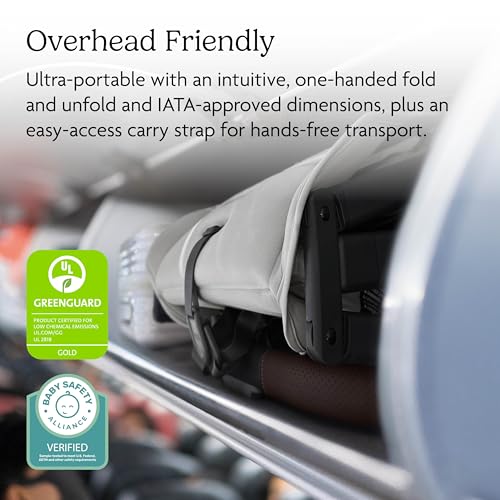
The UPPAbaby Minu V3 stands out in the Lightweight stroller vs full-size stroller comparison as a premium travel-friendly option for modern parents. Designed for convenience without sacrificing comfort, this stroller features a compact aluminum frame, smooth suspension, and an easy one-hand fold that makes everyday use effortless. While it lacks the bulk of a traditional full-size stroller, it delivers impressive comfort with a plush insert, adjustable footrest, and high seat back that grows with your child. Ideal for travel, urban living, and quick outings, the Minu V3 proves that lightweight strollers can still feel luxurious and reliable.
- Portability: Lightweight and compact design fits in overhead compartments and small car trunks
- Ease of Use: One-hand fold and unfold makes it ideal for busy parents on the go
- Comfort Features: Plush seat, five-point harness, and smooth suspension rival many full-size strollers
- Storage Space: Smaller basket compared to full-size stroller models
- Price Point: Higher cost than most basic lightweight strollers
- Terrain Limits: Not as rugged as full-size strollers for rough or uneven surfaces
This ultra-compact aluminum frame stroller weighs just 14.8 pounds and folds in seconds with one hand. The UPPAbaby Minu V3 features a five-point harness, adjustable canopy with UPF 50+ protection, and a standing fold design that makes it airplane-friendly. The streamlined build makes it perfect for families who travel frequently or need quick transitions between car and destination. Despite its minimal weight, it supports children from three months up to 50 pounds and includes a storage basket for essentials. Available on Amazon US for approximately $450-500, this premium lightweight option offers exceptional quality and travel convenience.
Premium Full-Size Stroller System: Graco Modes Nest Travel System


The Graco Modes Nest Travel System is a strong contender in the Lightweight stroller vs full-size stroller comparison, offering a true full-size stroller experience with modular flexibility. Built for long-term use from infancy through toddlerhood, this 3-in-1 system transitions seamlessly from an infant car seat carrier to a pramette and then to a toddler stroller. Its standout Slide2Me adjustable seat allows parents to raise or lower the seat for closer interaction, a feature rarely found in lightweight strollers. With an included SnugRide DLX infant car seat and an extra-large storage basket, this travel system is ideal for parents who prioritize comfort, storage, and adaptability over compactness.
- Modular Design: 3-in-1 modes support infant, pramette, and toddler stages
- Parent Connection: Slide2Me adjustable seat allows closer face-to-face interaction
- Storage Capacity: Extra-large basket holds more essentials than lightweight strollers
- Portability: Heavier and bulkier compared to lightweight stroller options
- Storage Space: Requires more trunk and home storage room
- Travel Convenience: Less suitable for frequent air travel or compact transport
This versatile stroller system offers three modes of use with compatibility for the included infant car seat, bassinet mode, and toddler seating. The Graco Modes Nest features all-wheel suspension, one-hand recline adjustment with multiple positions, and an extendable canopy with peek-a-boo window. The robust wheels handle various terrains efficiently, while the spacious storage basket accommodates diaper bags and shopping. The adjustable handlebar fits parents of different heights, and the reversible seat allows children to face forward or toward parents. Available on Amazon US for approximately $350-400, this travel system provides excellent value with comprehensive features for newborns through toddlers.
Budget-Friendly Lightweight Option: Summer Infant 3D Lite


The Summer Infant 3Dlite ST Convenience Stroller is a standout choice in the Lightweight stroller vs full-size stroller comparison for parents who value simplicity, portability, and affordability. Weighing just 15 pounds, this lightweight stroller is designed for quick errands, travel, and everyday use without the bulk of a full-size stroller. Its durable steel frame, large seat area, and multi-position recline provide comfort while remaining easy to fold and store. While it doesn’t offer the advanced features of full-size strollers, the 3Dlite ST excels as a reliable, no-fuss option for families on the go.
- Ultra Lightweight: Only 15 pounds, making it easy to carry, lift, and travel with
- Compact Storage: Quick fold with auto lock fits in small trunks and closets
- Affordable Price: Significantly cheaper than most full-size stroller models
- Limited Features: Lacks modular seating and premium adjustments found in full-size strollers
- Ride Comfort: Less suspension and padding compared to heavier stroller systems
- Infant Support: Not ideal for newborns without additional accessories
An economical choice that doesn’t sacrifice essential features, the Summer Infant 3D Lite weighs just 13 pounds and includes a multi-position recline, five-point harness, and convenient storage basket. The compact fold makes storage simple with an automatic lock, and the durable wheels navigate smooth surfaces efficiently. The large canopy provides solid sun protection, and the lightweight aluminum frame ensures easy portability. While lacking premium materials found in higher-priced models, it provides reliable performance for occasional use or as a backup stroller for grandparents or caregivers. Available on Amazon US for approximately $100, this remains one of the most popular budget lightweight strollers.
All-Terrain Full-Size Stroller: BOB Gear Revolution Flex 3.0


The BOB Gear Revolution Flex 3.0 Jogging Stroller is a premium option in the Lightweight stroller vs full-size stroller comparison, built for parents who need durability, performance, and all-terrain capability. Unlike lightweight strollers designed for portability, this full-size jogging stroller features large air-filled tires, advanced suspension, and a sturdy aluminum frame for smooth rides on pavement, trails, and uneven surfaces. Its adjustable handlebar and generous storage make it ideal for active families who prioritize stability and comfort over compact folding.
- All-Terrain Performance: Air-filled tires and suspension deliver a smooth ride on any surface
- Parent Comfort: Adjustable handlebar fits parents of different heights
- Storage Capacity: Multiple pockets and extra-large cargo basket for essentials
- Bulky Design: Larger and heavier than lightweight stroller models
- Portability: Two-step fold is less travel-friendly than compact strollers
- Price Range: Higher cost compared to most lightweight and standard strollers
Designed for active families, the BOB Gear Revolution Flex 3.0 features oversized air-filled rubber tires, advanced suspension, and a hand brake for controlled descents on hills. The durable frame supports children from eight weeks (with infant car seat adapter) up to 75 pounds and includes a fully reclining seat with premium padding. The adjustable handlebar accommodates parents of different heights, while the extra-large canopy with multiple ventilation windows and the abundant under-seat storage make it ideal for long walks, hiking trails, or beach outings. The swivel-locking front wheel provides versatility for both trails and urban environments. Available on Amazon US for approximately $450-550, this jogger represents the gold standard for all-terrain stroller performance.
Understanding Weight and Portability Differences
Weight represents the most obvious distinction between lightweight and full-size strollers. Lightweight models typically fall between 11-15 pounds, making them easy to lift, carry, and maneuver with one hand. This reduced weight comes from aluminum frames, minimal padding, and streamlined designs that prioritize portability over features. Parents who frequently navigate stairs, use public transportation, or travel by plane find these models indispensable.
Full-size strollers, weighing 20-30 pounds or more, incorporate steel frames, substantial padding, and additional features that increase overall mass. While heavier, this weight contributes to stability, especially on uneven surfaces or when children shift positions. The added heft prevents tipping and provides a more solid feel during use.
Folding mechanisms differ considerably between categories. Lightweight strollers often feature umbrella folds or quick-collapse designs that reduce size dramatically. Many fold small enough to fit in airplane overhead bins or restaurant corners. Full-size strollers, despite folding capabilities, maintain larger dimensions even when collapsed. However, modern engineering has produced full-size models with impressive compact folds that rival some lightweight options.
Portability extends beyond weight to include ease of transport. Lightweight strollers typically lack automatic standing features, requiring them to be leaned against walls or laid flat. Full-size models frequently include self-standing folds, making storage more convenient in homes with limited space. The choice depends on lifestyle priorities—frequent travelers benefit from extreme portability, while families primarily using strollers for neighborhood walks may prioritize other features.
Comfort and Feature Comparison
Comfort levels vary dramatically between stroller types, significantly impacting both child contentment and parent satisfaction. Full-size strollers excel in this category, offering heavily padded seats, multiple recline positions, and adjustable footrests. The extra cushioning protects children from bumps and vibrations, particularly important during longer outings or naps on the go. Canopy coverage on full-size models extends further, providing better sun and weather protection with additional ventilation windows and peek-a-boo panels.
Lightweight strollers sacrifice some comfort for portability. Padding tends to be minimal, and recline options may be limited to one or two positions. Canopies, while functional, typically offer less coverage and fewer adjustment options. For short trips or quick errands, these compromises remain acceptable. However, extended use may result in restless children, especially infants who need more support and cushioning.
Suspension systems separate the two categories significantly. Full-size strollers incorporate advanced suspension in front wheels, rear wheels, or all four wheels, absorbing shocks from cracks, curbs, and uneven pavement. This smooth ride benefits everyone, reducing jarring movements that wake sleeping children or cause discomfort. Lightweight strollers generally feature basic suspension or none at all, resulting in a bumpier experience on anything but smooth surfaces.
Adjustability represents another comfort consideration. Full-size strollers frequently include adjustable handlebars accommodating parents of varying heights, preventing back strain during extended walks. Seat positions may convert from infant-friendly full recline to upright toddler seating. Lightweight models rarely offer handlebar adjustment and may have fixed seat positions, limiting versatility as children grow.
Storage Capacity and Practical Considerations
Storage capacity dramatically impacts daily stroller functionality, often overlooked until parents experience the frustration of insufficient space. Full-size strollers dominate this category with spacious undercarriage baskets capable of holding diaper bags, groceries, shopping bags, and extra clothing. Weight limits for these baskets typically range from 10-25 pounds, providing substantial carrying capacity beyond the child. Additional storage may include parent consoles with cup holders, phone pockets, and zippered compartments for valuables.
Lightweight strollers prioritize minimal weight over storage, resulting in smaller baskets with reduced capacity. Some ultra-compact models feature only mesh pouches or no storage whatsoever. Parents using lightweight strollers often resort to carrying separate bags or hanging items from handlebars, which can affect stability and create tipping hazards. For quick errands requiring minimal supplies, limited storage suffices. Extended outings demand creative packing strategies or additional carrying solutions.
Accessory compatibility expands functionality for both stroller types but varies in availability. Full-size models typically accept numerous accessories including rain covers, insect netting, cup holders, organizers, ride-along boards for older siblings, and specialty attachments. Many full-size strollers function as travel systems, accepting infant car seats directly onto the frame—a crucial feature for newborn transport. Lightweight strollers offer fewer accessory options, and attachment points may not support heavier additions without compromising stability.
Practical daily use reveals additional considerations. Full-size strollers require more vehicle space, potentially filling entire trunks and limiting room for other cargo. Maneuvering through narrow doorways, tight aisles, or crowded spaces challenges larger frames. Lightweight strollers navigate restricted areas effortlessly and leave trunk space for other necessities. The trade-off between convenience and capacity requires honest assessment of typical usage scenarios.
Terrain Capability and Wheel Performance
Wheel size and design profoundly affect stroller performance across different surfaces. Full-size strollers typically feature larger wheels, often 8-12 inches in diameter, with rubber or foam-filled tires providing excellent traction and shock absorption. Three-wheel configurations with oversized front wheels excel on trails, grass, gravel, and sand, while four-wheel designs offer superior stability on flat surfaces. Some full-size models include air-filled tires similar to bicycle wheels, delivering the smoothest ride but requiring occasional maintenance.
Lightweight strollers generally utilize smaller plastic or hard rubber wheels measuring 4-6 inches, optimized for smooth pavement and indoor surfaces. These wheels struggle on grass, dirt, cobblestones, or any uneven terrain, often getting stuck or becoming difficult to push. The reduced wheel size means every crack and bump translates directly to the frame, creating a jarring experience. Urban environments with well-maintained sidewalks suit lightweight models perfectly, while suburban or rural settings with varied terrain demand more capable wheels.
Swivel versus fixed front wheels represents another crucial distinction. Most strollers offer swiveling front wheels for easy turning and navigation, with optional locks for straight-line stability. Full-size strollers with lockable swivel wheels perform well in both scenarios, adapting to different environments. Lightweight strollers with small swivel wheels may shimmy or vibrate when locked, reducing effectiveness on rough surfaces.
Maneuverability encompasses more than wheel type, including frame geometry and weight distribution. Despite their size, quality full-size strollers often maneuver easily with one-hand steering, thanks to responsive swivel mechanisms and balanced design. Lightweight strollers, while nimble in open spaces, may require two-hand control for precise navigation or when loaded with additional weight. Testing strollers on surfaces matching typical use environments provides valuable insight before purchase.
Safety Features and Standards
Safety remains paramount in stroller selection, with both categories meeting federal safety requirements but differing in implementation. Five-point harness systems have become standard across all stroller types, securing children at shoulders, waist, and between legs. Full-size strollers typically feature padded harnesses with easier adjustment mechanisms, while lightweight models may have thinner straps requiring more effort to modify as children grow.
Braking systems vary significantly in design and reliability. Full-size strollers often incorporate linked brakes engaging both rear wheels simultaneously with a single pedal press, providing secure parking on inclines. Some premium models include hand brakes for controlled descent on hills, similar to bicycle brakes. Lightweight strollers usually feature single-wheel brakes or tandem systems that may require individual engagement, occasionally resulting in rolling if not properly set. Testing brake effectiveness during in-store trials prevents potential safety issues.
Frame stability addresses tipping risks, particularly relevant when children lean forward or cargo hangs from handlebars. Full-size strollers with wider wheelbases and lower centers of gravity resist tipping better than narrow lightweight models. Weight distribution matters significantly—hanging heavy diaper bags on lightweight stroller handles creates dangerous rear-tipping scenarios, especially with smaller children who don’t counterbalance the load.
Certification and testing provide baseline safety assurance. Both stroller types must meet ASTM (American Society for Testing and Materials) standards covering stability, restraint systems, brakes, and hazardous edges. Checking for JPMA (Juvenile Products Manufacturers Association) certification confirms third-party testing compliance. Recalls occur occasionally across all brands and types, making registration important for safety notifications. Checking the Consumer Product Safety Commission database before purchasing reveals any historical concerns with specific models.
Age Range and Long-Term Value
Age appropriateness influences stroller selection significantly, particularly regarding newborn use. Full-size strollers frequently accommodate infants from birth with full-recline positions or car seat compatibility, providing proper head and neck support during the crucial early months. Many parents invest in full-size strollers as complete infant-to-toddler solutions, using them continuously for three to four years.
Lightweight strollers typically require children to have adequate head and neck control, generally around six months of age. The upright seating and minimal padding don’t provide sufficient support for younger infants. Some lightweight models include partial recline features extending use to earlier ages, but rarely match full-size capabilities for newborn safety. Families with infants need either a full-size option or plan to transition to lightweight models after the first several months.
Weight limits define maximum usability, varying considerably between categories. Full-size strollers commonly support children up to 50 pounds, occasionally reaching 65 pounds in heavy-duty models. This extended capacity accommodates larger toddlers and preschoolers, maximizing investment value. Lightweight strollers typically max out at 35-40 pounds, requiring earlier replacement as children grow. For families with multiple children or those planning siblings, full-size durability and capacity prove more economical long-term.
Durability directly impacts value and lifespan. Full-size strollers constructed with steel frames, quality fabrics, and robust mechanisms withstand years of daily use and often serve multiple children. Lightweight strollers, while functional, may show wear more quickly with frequent use—wheels deteriorate, fabric thins, and folding mechanisms loosen. Budget lightweight models suit occasional use but rarely survive intensive daily deployment. Considering total cost of ownership including replacement frequency provides clearer value comparison.
Price Range and Budget Considerations
Stroller pricing spans dramatic ranges within each category, reflecting quality, features, and brand positioning. Entry-level lightweight strollers start around $50, offering basic functionality for occasional use. Mid-range lightweight options between $100-200 provide better materials, smoother operation, and enhanced features. Premium lightweight strollers commanding $200-300+ incorporate advanced engineering, superior fabrics, and innovative folding mechanisms rivaling budget full-size options.
Full-size strollers begin around $150 for basic models with standard features and acceptable build quality. The mid-range $300-500 bracket represents the sweet spot for many families, offering excellent feature sets, durable construction, and versatile functionality without luxury pricing. Premium full-size strollers exceed $600, with top-tier models surpassing $1000, incorporating cutting-edge materials, superior engineering, and extensive accessory systems. These investments make sense for families prioritizing longevity, multiple-child use, or specific performance requirements.
Travel systems combining strollers with car seats present another pricing consideration. These packages typically cost $250-600, offering convenience and compatibility but potentially limiting choices if the included car seat doesn’t meet specific needs. Purchasing separately allows optimization of each component but requires ensuring compatibility, especially for parents wanting infant car seat integration with their stroller frame.
Resale value factors into total cost analysis. Premium strollers from reputable brands maintain significant resale value, often recouping 40-60% of original costs when gently used. Budget models depreciate rapidly with minimal secondary market demand. Families planning single-child use might prioritize lower upfront costs, while those anticipating multiple children or resale should consider higher-quality options with better long-term value retention.
Making the Right Choice for Your Lifestyle
Lifestyle assessment guides effective stroller selection more than any single feature comparison. Urban families relying on public transportation, navigating subway stairs, or frequenting restaurants and shops prioritize lightweight portability. The ability to quickly fold, carry, and store strollers becomes essential. Limited vehicle use and abundant paved surfaces minimize concerns about terrain capability or extensive storage needs.
Suburban families with car-dependent lifestyles benefit from full-size stroller advantages. Generous vehicle storage accommodates larger frames, while varied terrain from parking lots to parks demands capable wheels and suspension. Longer outings require substantial storage for supplies, and comfortable seating keeps children content during extended adventures. The extra weight matters less when strollers remain in vehicles between uses.
Active families engaging in outdoor activities like hiking, beach trips, or trail walking require robust full-size strollers with all-terrain capabilities. Specialized jogger strollers with three wheels and hand brakes suit running parents, though they sacrifice compactness for performance. Urban hiking or mixed-terrain environments demand versatile full-size options balancing city maneuverability with off-road capability.
Frequent travelers face unique requirements best met by lightweight strollers designed specifically for travel. Compact folds fitting airplane overhead bins, travel bag compatibility, and minimal weight for lifting through airports prove invaluable. Some families maintain both stroller types—full-size for daily use and lightweight for travel—though this dual-investment approach increases costs. Gate-checking strollers remains possible but risks damage, making compact cabin-friendly options attractive for regular fliers.
Climate and Weather Considerations
Geographic location and typical weather patterns influence stroller functionality significantly. Families in hot, sunny climates require strollers with extensive canopy coverage, adequate ventilation, and breathable fabrics preventing heat buildup. Full-size strollers generally provide superior sun protection with larger, adjustable canopies including UV-blocking materials. Lightweight options with minimal canopies expose children to more sun, potentially requiring additional sun shades or protective gear.
Rainy climates demand weather-resistant materials and accessory compatibility for rain covers. Full-size strollers accommodate weather accessories better, with attachment points for plastic rain shields covering both child and basket contents. Lightweight strollers may lack these attachment capabilities or have covers available only as aftermarket purchases. Fabric quality matters too—cheaper materials absorb moisture and dry slowly, while premium fabrics resist water and clean easily.
Cold weather strollers need storage capacity for extra layers, blankets, and winter gear. Full-size basket space accommodates bulky items, while lightweight storage struggles with winter volume. Some families prefer stroller footmuffs or bunting bags keeping children warm, accessories typically designed for full-size frames with specific attachment points. Wheel performance on ice and snow varies dramatically—larger rubber wheels maintain traction better than small plastic wheels that slip dangerously.
Seasonal versatility provides year-round value. Convertible canopies with removable panels adapt from summer shade to winter wind protection. Reversible seat liners switching between cooling mesh and warm fleece extend usability across seasons. Full-size strollers more frequently offer these adaptive features, while lightweight models maintain fixed configurations optimized for specific conditions. Families experiencing dramatic seasonal changes benefit from full-size flexibility.
Maintenance and Longevity
Maintenance requirements differ substantially between stroller types, affecting long-term satisfaction and costs. Full-size strollers with air-filled tires require periodic inflation and occasional tube replacement after punctures. Foam-filled or solid rubber tires eliminate this maintenance but may eventually crack or wear down. Lightweight stroller wheels rarely need attention but may not be replaceable once worn, potentially ending the stroller’s useful life.
Fabric cleaning presents ongoing challenges for both categories. Removable, machine-washable seat covers simplify maintenance, found more commonly in full-size models. Lightweight strollers often have permanently attached fabrics requiring spot-cleaning or hand-washing. Premium strollers feature stain-resistant, easy-clean materials maintaining appearance through spills and outdoor use. Budget options show wear quickly, with fabrics fading, fraying, or permanently staining after minimal use.
Mechanical maintenance includes lubricating folding mechanisms, tightening bolts, and adjusting brakes. Full-size strollers with complex folding systems may require more attention keeping mechanisms smooth and preventing squeaks. Lightweight designs with fewer moving parts need less intervention but offer fewer adjustment opportunities when components loosen. Following manufacturer maintenance guidelines extends lifespan significantly for both types.
Replacement parts availability varies by brand and model. Major manufacturers maintain parts inventories supporting discontinued models for several years, allowing replacement of broken wheels, torn fabrics, or damaged frames. Smaller brands or budget options may not offer replacement parts, forcing complete stroller replacement after single component failures. Researching parts availability before purchase protects long-term investment.
Conclusion
The decision between lightweight strollers and full-size strollers hinges on individual family needs, lifestyle patterns, and priorities rather than universal superiority of either type. Lightweight strollers excel in portability, travel-friendliness, and budget accessibility, perfectly suiting urban families, frequent travelers, or those seeking secondary strollers. Their compact nature and minimal weight create unmatched convenience for quick trips and transportation challenges.
Full-size strollers provide superior comfort, storage, terrain capability, and longevity justifying higher investments for families prioritizing features and extended use. The robust construction, advanced suspension, and extensive accessories transform daily outings into comfortable experiences for both children and parents. Suburban families, outdoor enthusiasts, and those seeking infant-through-toddler solutions find full-size options more satisfying despite reduced portability.
Many families ultimately discover that owning both types serves different purposes optimally—full-size for daily use and lightweight for travel or quick errands. However, budget constraints often necessitate choosing one category initially, making careful evaluation of primary usage scenarios essential. Consider typical environments, frequency of use, child’s age, vehicle storage capacity, and planned family size when deciding.
Neither choice represents a wrong decision when aligned with actual needs. The best stroller becomes the one that fits seamlessly into daily routines, encouraging outdoor activity and simplifying parenting tasks. Researching specific models, reading verified reviews, and testing strollers in-person whenever possible ensures confident purchases serving families well throughout early childhood years. Thoughtful selection based on realistic assessment creates satisfaction and value regardless of stroller type chosen.
Frequently Asked Questions
Can lightweight strollers be used for newborns?
Most lightweight strollers are not suitable for newborns because they lack the full recline positions and adequate head and neck support that infants require. Newborns need to lie completely flat until they develop sufficient head control, typically around six months of age. However, some lightweight strollers specifically designed for younger babies feature near-flat recline positions and additional padding for infant use. Always check the manufacturer’s minimum age and weight recommendations before using any stroller with a newborn. Alternatively, some lightweight stroller frames accept infant car seats, creating a temporary solution for the earliest months.
How much should I expect to spend on a quality stroller?
Quality stroller pricing varies significantly by type and features. Budget-conscious parents can find reliable lightweight strollers for $100-200 that meet basic needs for occasional use. Quality full-size strollers typically range from $250-500, offering durability, comfort, and features suitable for daily use. Premium options exceeding $600 provide advanced engineering, superior materials, and extensive versatility but aren’t necessary for every family. Consider total cost of ownership including longevity, resale value, and whether the stroller will serve multiple children. Sometimes investing more upfront yields better long-term value than replacing cheaper options multiple times.
Will a lightweight stroller work for walking on trails or at the beach?
Lightweight strollers generally perform poorly on trails, beaches, grass, and other uneven terrain due to their small wheels and minimal suspension. The wheels tend to sink into sand or get stuck on roots and rocks, making pushing difficult and creating an uncomfortable ride. For off-road activities, full-size strollers with larger rubber or air-filled tires and robust suspension systems provide dramatically better performance. All-terrain or jogging strollers with oversized wheels specifically excel in challenging environments. Families frequently visiting beaches or hiking trails should prioritize terrain-capable full-size options over lightweight portability.
Can I take a full-size stroller on an airplane?
Full-size strollers can be gate-checked on airplanes, meaning they’re checked just before boarding and returned immediately upon landing. However, they cannot be brought into the cabin due to size restrictions and must be tagged and stored in the cargo hold during flight. This process works but risks potential damage from baggage handling. Many families prefer lightweight strollers specifically designed for travel, which fold small enough to fit in overhead bins, eliminating gate-checking concerns. Some airlines provide stroller size limits for gate-checking, so verifying specific airline policies before travel prevents unexpected complications.
What’s the typical weight limit for lightweight versus full-size strollers?
Lightweight strollers typically accommodate children weighing 35-40 pounds, roughly equivalent to a three-year-old. This lower limit means transitioning to other transportation methods earlier as children grow. Full-size strollers commonly support 50 pounds, with some heavy-duty models extending to 65 pounds, accommodating children through preschool years and sometimes beyond. Higher weight limits provide better long-term value and flexibility for larger children or those who occasionally need stroller rest during extended outings. Weight capacity also affects resale potential and suitability for multiple children over time. Always check specific manufacturer specifications as limits vary considerably between models.