The Essential Hospital Bag Checklist

*We may earn a commission for purchases made using our links. Please see our disclosure to learn more.
Preparing for the arrival of a new baby is an exciting yet overwhelming experience. Among the countless tasks expectant parents must complete, packing a hospital bag stands out as one of the most practical and important preparations. This comprehensive checklist ensures that everything needed for labor, delivery, and the initial postpartum period is ready when the time comes.
The hospital bag serves as a safety net during one of life’s most significant moments. Having essential items packed and ready eliminates last-minute stress and allows expectant parents to focus on what truly matters—welcoming their new addition. While hospitals provide basic necessities, personal items, comfort essentials, and specific products can make the experience significantly more pleasant and manageable.
“The key to a well-packed hospital bag is not about having everything you might possibly need, but rather having the essential items that will make you comfortable during this transformative experience. Overpacking creates unnecessary stress, while thoughtful packing provides peace of mind.”
– American Pregnancy Association
Key Takeaways
- Start packing the hospital bag around 35-36 weeks of pregnancy to avoid last-minute stress
- Prepare separate bags for the birthing person, partner, and baby to stay organized
- Include items for labor, immediate postpartum recovery, and the journey home
- Pack comfort items that will help create a calming environment during labor
- Bring multiple outfit options for the baby in different sizes
- Don’t forget important documents, including insurance cards and birth plan copies
- Consider the postpartum recovery period when selecting personal care items
- Keep bags accessible and inform family members of their location
Recommended Hospital Bag Checklist
Agromusk Hospital Bag Checklist Organizer Set


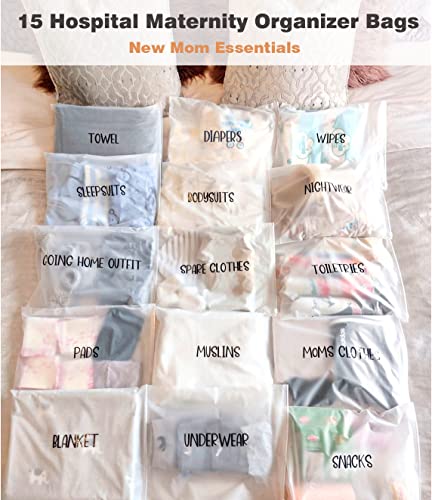
Make packing for labor and delivery stress-free with this Agromusk Hospital Bag Checklist organizer set. Designed for moms, dads, and newborns, these 15 labeled, resealable pouches help you sort hospital essentials clearly and efficiently. Each 11 x 14 inch bag offers generous space for toiletries, baby clothes, diapers, blankets, and postpartum items. Made from waterproof, eco-friendly material, these durable organizers keep your hospital bag clean, dry, and easy to manage—perfect for first-time parents and baby shower gifts.
If you’re preparing your Hospital Bag Checklist, this 15-pack maternity organizer set is a practical solution for staying organized during labor and delivery. Each pouch is clearly labeled to match common hospital essentials for mom, baby, and dad, reducing last-minute stress and confusion. The waterproof, lightweight design ensures your items stay protected throughout your hospital stay and even after returning home. Ideal for first-time moms, these organizers turn any suitcase or diaper bag into a well-arranged hospital-ready kit.
- Clear Organization: Labeled, see-through bags make following a Hospital Bag Checklist simple for both parents.
- Spacious Design: Large 11 x 14 inch size fits maternity, newborn, and partner essentials with ease.
- Durable & Waterproof: Thick, reusable material protects items from spills and moisture.
- Limited Color Option: Available only in black.
- Soft Structure: Not rigid, so bags may need stacking for neat packing.
- Checklist Is Visual: Relies on printed labels rather than a separate written guide.
Glamommy Postpartum Recovery Essentials Kit
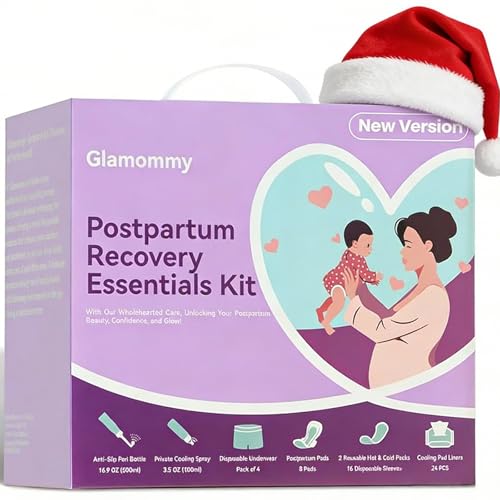


The Glamommy Postpartum Recovery Essentials Kit is a complete Hospital Bag Checklist solution for moms preparing for labor, delivery, and postpartum care. Designed for vaginal birth recovery, this all-in-one kit includes a peri bottle, soothing spray, disposable underwear, postpartum pads, hot & cold packs, cooling wipes, and liners. Instead of packing multiple items separately, this kit simplifies hospital prep while providing comfort, hygiene, and relief during the critical postpartum healing period. Ideal for first-time moms and thoughtful gifting.
When building your Hospital Bag Checklist, a postpartum recovery kit is just as important as baby essentials. The Glamommy Postpartum Recovery Essentials Kit helps new moms manage discomfort, hygiene, and healing immediately after delivery. With thoughtfully selected items like a peri bottle, cooling spray, disposable underwear, and hot & cold packs, this kit eliminates guesswork and reduces stress during hospital stays and early days at home. It’s a practical, comforting addition to any labor and delivery packing list and a meaningful gift for expecting mothers.
- All-in-One Recovery Care: Covers key postpartum needs in a single Hospital Bag Checklist item.
- Comfort-Focused Design: Includes cooling, soothing, and absorbent essentials for pain and swelling relief.
- Gift-Ready Kit: Stylish packaging with carry handle makes it easy to pack or gift.
- Not for C-Section: Designed specifically for vaginal delivery recovery.
- Limited Quantities: Disposable items may need refills after extended use.
- Single Size Option: Basic kit may not suit all postpartum preferences.
Konssy Newborn Receiving Blanket Set


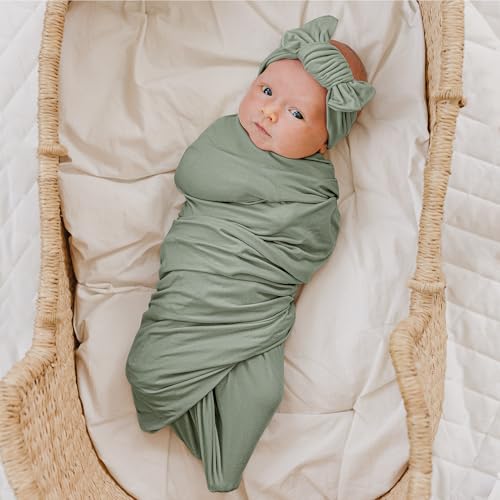
The Konssy Newborn Receiving Blanket Set is a charming and practical addition to your Hospital Bag Checklist. Designed for newborn comfort and style, this ultra-soft, stretchy swaddle blanket comes with a matching beanie, headband bow, and birth announcement card. Gentle on delicate skin and breathable for all-day comfort, it’s ideal for hospital use, newborn photos, and early bonding moments. With a generous size that fits babies 0–3 months, this versatile set doubles as a swaddle, stroller cover, or keepsake gift.
When packing your Hospital Bag Checklist, a newborn swaddle set is one item parents are always glad they included. The Konssy Receiving Blanket and Headband Set offers comfort, warmth, and picture-perfect style for your baby’s first days. Whether used for swaddling, nursing cover, or hospital photos, this soft and stretchy blanket adapts to multiple needs. Its thoughtful extras make it both functional and memorable, making it a favorite choice for hospital packing lists and baby shower gifts alike.
- Soft & Skin-Friendly: Stretchy, breathable fabric ideal for newborn hospital stays.
- All-in-One Set: Includes blanket, beanie, headband, and birth announcement card.
- Photo-Ready Design: Stylish colors perfect for first photos and announcements.
- Polyester Material: Not organic cotton for parents preferring natural fibers.
- Newborn Focused: Best suited for 0–3 months only.
- Single Blanket: Does not include extra swaddles for rotation.
HELLEE 15000mAh Portable Charger
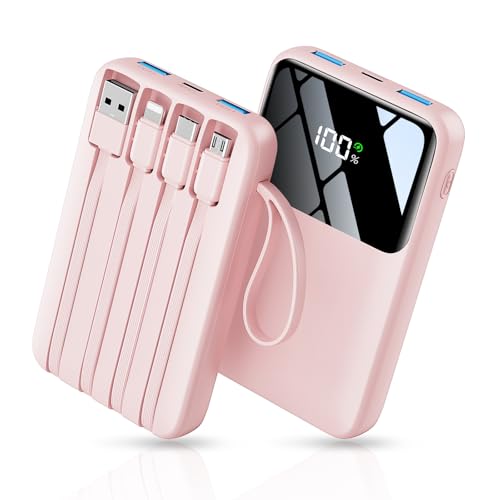


The HELLEE 15000mAh Portable Charger is a smart, reliable addition to any Hospital Bag Checklist, keeping phones and tablets powered throughout labor, delivery, and recovery. With four built-in cables and 22.5W fast charging, this slim power bank eliminates the need to pack extra cords. It supports up to six devices at once, making it ideal for moms, partners, and visitors. Lightweight, travel-friendly, and equipped with an LED display, it ensures you stay connected for photos, updates, and emergencies during your hospital stay.
A portable charger is one of the most overlooked but essential items on a Hospital Bag Checklist. The HELLEE 15000mAh Power Bank ensures uninterrupted communication, entertainment, and photo sharing during labor and postpartum recovery. Its built-in cables simplify packing, while fast charging keeps devices ready even during long hospital stays. Compact yet powerful, this charger is a practical must-have for expecting parents who want peace of mind and reliable power when it matters most.
- Built-In Cables: Four integrated cables reduce clutter in your Hospital Bag Checklist.
- Fast Charging Power: 22.5W output delivers quick battery boosts when time matters.
- Multi-Device Support: Six outputs allow charging phones, tablets, and accessories together.
- Not Wireless: Requires cable use for charging devices.
- Single Capacity Option: 15000mAh may not suit extended multi-day heavy use.
- Color Availability Varies: Some colors may sell out quickly.
Items for the Birthing Person
Clothing and Comfort
The clothing packed for the hospital stay should prioritize comfort, functionality, and ease of access for medical procedures and nursing. A comfortable labor gown or loose-fitting nightgown provides better comfort than standard hospital gowns, which can be impersonal and restrictive. Look for options with snaps or buttons for easy nursing access and medical monitoring.
Pack at least two to three comfortable nightgowns or pajama sets for the postpartum stay. Front-opening options work best for nursing and skin-to-skin contact. Include a robe that can be worn during walks around the hospital floor, as movement is often encouraged after delivery.
A nursing bra or comfortable sleep bra without underwire provides support while allowing easy access for feeding. Bring at least two so one can be washed if needed. Disposable or washable nursing pads prevent leaking and protect clothing during the initial milk production phase.
For the journey home, pack a comfortable outfit similar to what might be worn during the second trimester of pregnancy. The body needs time to recover, and expecting to fit into pre-pregnancy clothes immediately is unrealistic. Loose-fitting pants with an elastic waistband and a comfortable top work best.
Non-slip socks or slippers with grips on the bottom are essential for safely walking around the hospital room and hallways. Hospital floors can be slippery, and these provide warmth and security during movement.
Personal Care Items
Toiletries should include travel-sized versions of everyday products to minimize bag weight while ensuring comfort. Pack a toothbrush, toothpaste, face wash, moisturizer, shampoo, conditioner, body wash, and deodorant. Don’t forget lip balm, as hospital air can be quite drying.
Hair ties or headbands keep hair manageable during labor and the days following delivery. A dry shampoo can refresh hair without requiring a full shower, which may be difficult immediately after delivery.
Glasses and a contact lens case (if applicable) ensure comfortable vision throughout the stay. Labor and delivery may last many hours, and contacts can become uncomfortable during this extended period.
Basic makeup items can help restore a sense of normalcy, though heavy makeup is unnecessary. A simple concealer, mascara, and tinted lip balm might boost confidence for photos and visitors.
Sanitary supplies specifically designed for postpartum recovery include extra-long, thick pads or adult diapers that provide maximum protection during heavy postpartum bleeding. While hospitals provide these items, having preferred brands ensures comfort. Pack more than seems necessary, as postpartum bleeding typically lasts several weeks.
Documents and Essentials
Create a folder containing all necessary paperwork to streamline hospital admission and ensure smooth processing. Include insurance cards, identification, hospital pre-registration paperwork, and copies of the birth plan if one has been created.
A list of important phone numbers serves as backup if phone batteries die. Include contact information for the healthcare provider, pediatrician, and key family members who should be notified after the birth.
Entertainment and Comfort Items
Labor can last many hours, and having entertainment options helps pass the time during early labor phases. A tablet loaded with favorite movies, shows, or music provides distraction and relaxation. Download content beforehand, as hospital Wi-Fi may be unrestricted or slow.
A portable speaker plays calming music or guided meditation tracks during labor. Many people find that familiar sounds create a more comfortable environment during the intensity of labor.
Bring a phone charger with an extra-long cord, as hospital outlets may not be conveniently located near the bed. The previously mentioned portable power bank serves as essential backup power.
Pillows from home (in colored cases to distinguish them from hospital pillows) provide familiar comfort and better support than standard hospital pillows. Some hospitals limit the number of personal pillows allowed, so check policies beforehand.
A focal point for labor—such as a photograph, meaningful object, or printed image—gives something to concentrate on during contractions. This simple tool can significantly help with pain management and breathing techniques.
Massage tools like a tennis ball or handheld massager help relieve back pain during labor. A partner can use these tools to provide counter-pressure during contractions, particularly if experiencing back labor.
Items for the Partner or Support Person
Support people need their own supplies to remain comfortable and effective throughout the labor and delivery process. Pack a change of comfortable clothes, as they may be at the hospital for an extended period. Include layers, as hospital temperature control can be unpredictable.
Snacks and drinks are crucial, as the support person needs to maintain energy levels. Pack non-perishable items like protein bars, nuts, crackers, and dried fruit. A refillable water bottle ensures proper hydration throughout the stay.
Entertainment options help pass time during early labor or when the birthing person is resting. A book, tablet, or handheld gaming device provides quiet entertainment that won’t disturb rest periods.
Toiletries including a toothbrush, toothpaste, face wash, and deodorant help the support person stay fresh and comfortable during what may be a multi-day hospital stay.
A phone charger and portable power bank ensure the support person can capture photos, stay in contact with family, and access important information throughout the experience.
Cash or a credit card allows the support person to purchase meals, snacks, or forgotten items from the hospital cafeteria or nearby stores without needing to leave the hospital for extended periods.
Items for the Baby
Clothing
Babies need multiple outfit options in different sizes, as newborn sizes vary considerably. Pack at least two outfits in newborn size and two in 0-3 month size. Choose clothes with easy access for diaper changes, such as kimono-style tops and pants or sleepers with zippers rather than multiple snaps.
A special going-home outfit represents the baby’s first public appearance and often becomes a treasured keepsake. Choose something comfortable and weather-appropriate, prioritizing function over fashion for this initial journey.
Swaddle blankets or sleep sacks help newborns feel secure and sleep better. Hospitals provide basic blankets, but personal swaddles in soft, breathable fabrics may be preferred. Bring at least two in case one becomes soiled.
Hats are essential for newborns, who lose significant body heat through their heads. Pack at least two or three hats in different sizes to ensure proper fit.
Socks or booties keep tiny feet warm, as temperature regulation is challenging for newborns. Bring several pairs, as they tend to fall off easily.
Mittens prevent babies from scratching their delicate skin with surprisingly sharp fingernails. While not always necessary, they provide protection during the first few days when nail trimming isn’t yet advisable.
Baby Care Items
Diapers in newborn size should be packed, though hospitals provide these items. Having a preferred brand ensures comfort and reduces the chance of reactions to unfamiliar products. Pack at least a dozen diapers to cover the hospital stay.
Gentle baby wipes designed for newborn skin clean effectively without causing irritation. Fragrance-free, hypoallergenic options work best for sensitive newborn skin.
A pacifier or two can be helpful for soothing, though not all babies take to them immediately. Having them available provides an option if needed.
Car Seat
The car seat is the single most important item on this list, as hospitals will not allow departure without one properly installed. Install the car seat well before the due date and consider having installation checked by a certified technician. Rear-facing infant car seats or convertible car seats approved for newborns both work, but ensure the seat meets current safety standards and hasn’t been involved in any accidents.
Practice installing and uninstalling the car seat several times before the due date to ensure confidence during the potentially stressful moments of leaving the hospital with a newborn.
Additional Considerations
Seasonal Items
Weather-specific items ensure comfort regardless of season. For summer births, pack lightweight clothing, a fan for air circulation, and extra ice packs for cooling. For winter births, include warm robes, extra blankets, and appropriate outerwear for the baby’s journey home, including a car seat cover that’s safe for use (never place thick coats or bunting on a baby in a car seat).
Special Situations
Multiple births require additional supplies of everything on the baby list. Pack accordingly and consider bringing a helper to manage the increased logistics.
Planned cesarean sections may require specific items like loose, high-waisted pants that won’t irritate the incision site, and extra long phone chargers since mobility may be limited.
What Not to Bring
Valuable jewelry, large amounts of cash, and sentimental items that can’t be replaced should stay home. Hospital rooms aren’t secured storage areas, and items can easily be misplaced during the chaos of labor, delivery, and recovery.
Hair dryers, flat irons, and other electrical styling tools often aren’t necessary and take up valuable bag space. Hospital stays are short, and appearance takes a backseat to recovery and bonding with the new baby.
Creating a Packing Timeline
35-36 Weeks
Begin gathering items and creating a master packing list. Purchase any items not already owned, such as postpartum recovery supplies or specific baby items.
37 Weeks
Start packing the bags, checking off items on the list as they’re added. Place the bags in an accessible location that everyone in the household knows about.
38-39 Weeks
Review the bags one final time, ensuring nothing has been removed for daily use and forgotten. Add any last-minute items and ensure all electronics are fully charged.
When Labor Begins
Grab the pre-packed bags and go. Having everything prepared in advance eliminates stress and ensures nothing important is forgotten during the excitement and intensity of early labor.
Tips for Organization
Use packing cubes or separate bags within the main hospital bag to organize items by category. This system makes finding specific items quick and easy during the hospital stay when energy and patience may be limited.
Create a list of items that can’t be packed until the last minute, such as phone chargers currently in use, glasses, or specific toiletries from daily routines. Attach this list to the hospital bag as a reminder of what to add when leaving for the hospital.
Take photos of the packed bags and create a quick reference list stored on a phone. This allows verification that everything is present without unpacking and repacking.
Communicate the location of the hospital bags to anyone who might need to grab them, such as a partner, family member, or friend who might be assisting with transportation to the hospital.
Postpartum Recovery Essentials
The postpartum period requires specific items for physical recovery and adjustment to life with a newborn. Large, comfortable underwear that can be disposed of if necessary helps during the heavy bleeding phase. High-waisted options provide support without pressing on the uterus.
A peri bottle with warm water soothes and cleanses the perineal area after bathroom use, making recovery more comfortable. While hospitals provide basic bottles, upgrading to one with an angled nozzle or larger capacity improves ease of use.
Cooling pads or witch hazel pads reduce swelling and provide soothing relief to the perineal area. These can be refrigerated for enhanced cooling effects.
A sitz bath kit facilitates healing and cleanliness. Some hospitals provide these, but having a personal kit ensures availability and comfort.
Stool softeners or fiber supplements help prevent constipation, which is common after delivery and can be particularly uncomfortable if there are stitches or hemorrhoids.
A supportive pillow specifically designed for breastfeeding or bottle feeding provides proper positioning and reduces strain on arms, shoulders, and back during frequent feeding sessions.
Breastfeeding and Feeding Supplies
For those planning to breastfeed, nipple cream helps soothe and heal cracked or sore nipples during the initial adjustment period. Lanolin-based creams are safe for babies and don’t require washing off before nursing.
Breast pads, either disposable or reusable, protect clothing from leaking during the early postpartum period when milk production is establishing.
A manual breast pump may be helpful in the early days if the baby has difficulty latching or if engorgement occurs. While the hospital may provide pump access, having a personal hand pump offers flexibility.
For those planning to bottle feed, pack premade formula bottles or formula powder along with clean bottles and nipples. Confirm the hospital’s policy on bringing outside formula, as some provide it while others require parents to supply it.
Burp cloths protect clothing and make cleanup easier during and after feedings. Soft, absorbent cloths work best, and having several ensures clean ones are always available.
Mental and Emotional Preparation
While physical items fill the hospital bag, mental and emotional preparation proves equally important. Consider packing items that provide emotional comfort, such as:
Affirmation cards or a journal for processing thoughts and emotions during the hospital stay. Writing down feelings, thoughts about the baby, or reflections on the birth experience creates a meaningful record of this special time.
A camera or ensuring phone storage has ample space for photos and videos of the precious first moments. While phones typically serve this purpose, a dedicated camera may provide better quality images for this once-in-a-lifetime event.
Contact information for lactation consultants, postpartum support groups, or mental health resources provides immediate access to help if needed during the vulnerable postpartum period.
Conclusion
Packing a hospital bag is a significant milestone in pregnancy preparation. A well-prepared bag reduces stress, increases comfort, and allows focus to remain on the incredible experience of welcoming a new baby. This comprehensive checklist covers essentials across multiple categories, ensuring nothing important is forgotten.
Remember that every birth experience is unique, and this checklist serves as a starting point. Customize it based on personal preferences, specific medical situations, and hospital policies. Some items on this list may be unnecessary for certain situations, while others not mentioned might be personally important.
The goal isn’t perfection but preparation. Even with the most thoroughly packed bag, some forgotten item or unexpected need may arise. Hospitals are equipped to handle these situations, and most have gift shops or nearby stores for emergency purchases. The most important thing to bring to the hospital is an open mind, flexibility, and excitement for the journey ahead.
Starting preparation early, organizing thoughtfully, and involving partners or support people in the packing process ensures everyone knows what’s available and where to find it. When labor begins, grab those carefully packed bags and head to the hospital with confidence, knowing that everything needed for a comfortable and memorable experience is ready.
Frequently Asked Questions
When should the hospital bag be packed?
The ideal time to pack a hospital bag is around 35-36 weeks of pregnancy. This timing provides a comfortable buffer before the typical full-term delivery window while ensuring everything is ready in case of early labor. Some expectant parents prefer to start even earlier, around 32-34 weeks, particularly if there are risk factors for preterm labor or if this isn’t a first pregnancy, as subsequent labors often progress more quickly.
How many bags should be brought to the hospital?
Most families find that bringing two to three separate bags works best. One bag for the birthing person, one for the support partner, and one for the baby creates organization and makes finding specific items easier. Some people prefer one large bag with internal organization, while others like keeping items completely separate. Consider hospital storage space limitations when deciding on the number and size of bags.
What items does the hospital provide?
Hospitals typically provide basic necessities including standard gowns, basic toiletries, sanitary pads, mesh underwear, diapers and wipes for the baby, basic baby clothing, blankets, formula (if not breastfeeding), and basic postpartum care items. However, the quality and quantity of these items vary significantly between facilities. Many people prefer bringing personal items for comfort and familiarity. Contact the specific hospital beforehand to learn exactly what they provide versus what should be brought.
Can all the items on this list fit in one bag?
While it’s possible to fit everything in one very large bag, most people find that using multiple bags or one bag with several organizational pouches works better. The total amount of items may seem overwhelming, but remember that these are supplies for potentially three to four days for multiple people. Packing cubes, compression bags, and organizational pouches help maximize space while keeping items accessible. Consider that the return trip home will include gifts, hospital supplies, and baby items, so leaving some space in the bags is wise.
What if something important is forgotten?
Forgetting an item or two is incredibly common and not a crisis. Hospitals are equipped with basic necessities, and most have gift shops that sell common items like phone chargers, toiletries, and baby essentials. Partners or family members can also make runs to nearby stores if needed. Many hospitals are located near pharmacies or big-box stores that carry everything from clothing to baby supplies. The most critical items—identification, insurance cards, and an installed car seat—are the only truly essential items. Everything else, while helpful for comfort, can be obtained or substituted if necessary.