How to Read Baby Cues (Hunger, Sleep, and Overstimulation)
*We may earn a commission for purchases made using our links. Please see our disclosure to learn more.
Understanding a baby’s cues is one of the most important skills for caregivers. Since infants cannot communicate with words, they rely on subtle body language, sounds, and facial expressions to express their needs. Learning to recognise these signals helps build trust, reduce crying, and create a more predictable daily rhythm.
From hunger to sleepiness to overstimulation, each type of cue has distinct patterns. When caregivers respond consistently and appropriately, babies feel secure and supported in their development. Over time, this responsive interaction becomes the foundation for communication, emotional regulation, and attachment.
“Crying is not the first language of babies. It is the last. The earlier cues are quieter, but they are there.”
Source: Center on the Developing Child, Harvard University
Key Takeaways
- Babies communicate needs through physical and behavioural cues rather than words
- Early cues are easier to respond to than late distress signals
- Hunger, sleep, and overstimulation each have distinct signs
- Prompt responses help reduce crying and improve bonding
- Every baby is unique, so patterns may vary slightly over time
Why Baby Cues Matter
Baby cues are not random behaviors. They are part of a built-in communication system that helps infants signal their needs from birth. Even in the earliest days, babies are actively trying to connect and be understood.
Responding to these cues consistently plays a critical role in brain development. When a caregiver meets a baby’s needs promptly, neural pathways associated with safety and trust are strengthened. This process supports emotional security and helps regulate stress responses.
Babies who feel understood are often calmer and more settled. They tend to cry less because their needs are met before reaching distress. This also reduces frustration for caregivers, creating a more positive caregiving experience.
On the other hand, missed cues can lead to escalation. A baby who is not fed when showing early hunger cues may become overly upset, making feeding more difficult. Similarly, missing sleep cues can result in overtiredness, which can disrupt both naps and nighttime sleep.
Ultimately, reading baby cues is not just about meeting physical needs. It is about building a strong emotional connection that supports long term development.
Understanding Early vs Late Cues
Baby cues follow a progression that reflects increasing urgency. Understanding this progression helps caregivers respond at the right time.
Early cues are subtle and gentle. They are the baby’s first attempt to communicate a need. These cues are often easy to miss but are the easiest to respond to.
Active cues are more noticeable. At this stage, the baby is becoming more focused on having their needs met and may show increased movement or vocalisation.
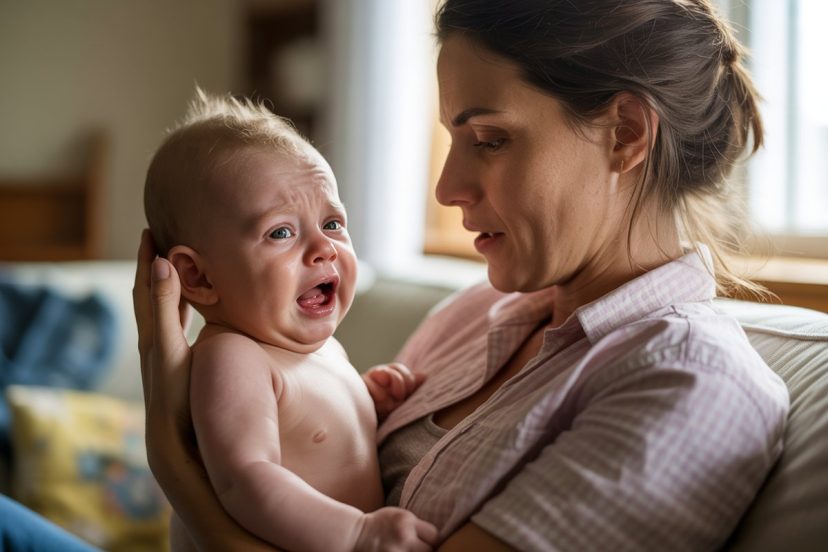
Late cues signal distress. By this point, the baby may be crying or physically upset. Meeting the need becomes more challenging because calming is required first.
Recognizing early cues is the goal. For example, a baby who quietly turns their head and sucks on their hands is much easier to feed than one who is crying intensely. Similarly, a baby who shows early sleep cues can fall asleep more easily than one who is overtired and restless.
Learning to identify these stages reduces stress for both the baby and the caregiver and helps establish smoother routines.
Hunger Cues
Hunger cues are among the most frequent signals babies give. Feeding is a primary need, especially in the first months of life when babies require frequent nourishment.
Early Hunger Cues
Early hunger cues are subtle and often quiet. These include:
- Smacking or licking lips
- Opening and closing the mouth
- Turning the head toward touch, known as rooting
- Sucking on fingers, hands, or clothing
These cues indicate that the baby is ready to feed and still calm. This is the ideal time to begin feeding.
Active Hunger Cues
As hunger increases, cues become more obvious:
- Increased body movement or squirming
- Fussing or short vocal sounds
- Attempting to latch onto nearby objects
At this stage, the baby is more urgent but still manageable.
Late Hunger Cues
If feeding is delayed, late cues appear:
- Intense crying
- Reddened face
- Difficulty coordinating sucking
A baby in this state may struggle to latch or feed effectively. Calming techniques such as holding, rocking, or gentle soothing may be needed before feeding can begin.
Practical Tips
- Watch for early cues rather than waiting for crying
- Feed on demand instead of following strict schedules in early months
- Be aware that growth spurts can temporarily increase hunger frequency
- Learn the baby’s unique patterns, as some may show stronger or weaker cues
Recognizing hunger cues early helps create a smoother feeding experience and supports healthy growth.
Sleep Cues
Sleep cues are often misunderstood because they can be subtle or mistaken for other behaviours. Recognising them early is key to preventing overtiredness.
Early Sleep Cues
These are quiet and easy to miss:
- Slower movements
- Reduced activity
- Soft gaze or staring into space
- Calm behaviour
At this stage, the baby is ready to transition to sleep.
Active Sleep Cues
As tiredness increases:
- Yawning
- Rubbing eyes or face
- Pulling ears
- Mild fussiness
This is still a good time to begin a sleep routine.
Late Sleep Cues
When sleep is delayed:
- Crying
- Arching the back
- Sudden bursts of energy
- Increased irritability
Overtired babies may appear hyperactive, which can be misleading. This state makes it harder for them to settle and fall asleep.
Practical Tips
- Put the baby down at early or active cues
- Use consistent pre-sleep routines such as dim lighting and quiet time
- Monitor wake windows, as staying awake too long can lead to overtiredness
- Adjust sleep expectations as the baby grows
Understanding sleep cues improves both nap quality and nighttime sleep, benefiting the entire household.
Overstimulation Cues
Overstimulation occurs when a baby is exposed to more sensory input than they can handle. This can include noise, light, movement, or social interaction.
Early Overstimulation Cues
These signals show the baby is beginning to feel overwhelmed:
- Looking away from faces or objects
- Avoiding eye contact
- Reduced engagement
These cues are often subtle but important.
Active Overstimulation Cues
As stimulation continues:
- Fussiness
- Turning the head repeatedly
- Clenched fists
- Jerky or uncoordinated movements
The baby is trying to signal discomfort and reduce input.
Late Overstimulation Cues
If not addressed:
- Crying
- Arching the back
- Difficulty calming down
At this stage, the baby may need significant time to settle.
Practical Tips
- Move to a quiet, dim environment
- Reduce noise and visual stimulation
- Limit handling by multiple people
- Allow time for rest after stimulating activities
Recognizing overstimulation cues helps prevent unnecessary distress and supports better sleep and feeding.
How Cues Change Over Time
Baby cues evolve as development progresses. Newborns rely heavily on reflexive behaviors, while older infants begin to show more intentional communication.
In the early weeks, cues may be subtle and repetitive. As babies grow, they become more expressive and easier to read. For example, older babies may vocalise more clearly when hungry or use gestures to indicate tiredness.
Sleep patterns also change. Newborns sleep frequently, while older infants develop more structured sleep routines. Overstimulation cues may become more noticeable during social interactions or play.
Caregivers should expect these changes and adapt accordingly. What works for a newborn may not apply to a six month old baby.
Common Misinterpretations
It is common to misread baby cues, especially in the early stages of caregiving.
Hunger vs Sleep
A tired baby may suck on their hands, which can resemble hunger cues. If feeding does not settle the baby, sleep may be the actual need.
Overstimulation vs Discomfort
Fussiness can result from overstimulation or physical discomfort such as gas or temperature changes. Observing the environment can help determine the cause.
Crying as a First Signal
Crying is often assumed to be the primary signal, but it is usually a late cue. By the time a baby cries, they may already be distressed.
Understanding these overlaps improves accuracy in responding and reduces frustration.
Building Awareness of Patterns
Every baby develops unique rhythms. Tracking these patterns can make caregiving more predictable.
What to Observe
- Frequency of feeds
- Length of wake periods
- Environmental triggers such as noise or activity
- Time of day when certain cues appear
Keeping a simple log for a few days can reveal patterns. For example, a baby may consistently show sleep cues after a certain period of wakefulness.
This awareness allows caregivers to anticipate needs rather than react to distress.
Responding Effectively to Baby Cues
Recognising cues is only part of the process. The response determines how effective the interaction is.
Timing
Responding early prevents escalation and reduces stress. Early responses are usually quicker and more effective.
Consistency
Consistent responses help babies learn that their needs will be met. This builds trust and security.
Flexibility
Not all situations follow a pattern. Being adaptable is important, especially during developmental changes.
A calm and attentive response supports both the baby’s needs and the caregiver’s confidence.
The Role of Environment
The environment significantly affects how cues are expressed and interpreted.
Calm Environments
- Make subtle cues easier to notice
- Reduce the risk of overstimulation
- Support better sleep
Busy Environments
- Can mask early cues
- Increase sensory overload
- Require closer observation
Adjusting lighting, noise levels, and activity can improve communication and overall comfort.
Emotional Connection and Cue Reading
Responding to baby cues strengthens the emotional bond between caregiver and infant. This process builds trust and supports long term emotional development.
When babies feel understood, they develop a sense of security. This helps them regulate emotions and respond to stress more effectively.
Over time, this connection contributes to a secure attachment, which is linked to positive social and emotional outcomes later in life.
When Cues Are Hard to Read
There are times when baby cues become less predictable.
Common Challenges
- Growth spurts that increase hunger
- Illness that affects behaviour
- Changes in routine such as travel
- Developmental leaps that alter sleep patterns
During these periods, cues may appear inconsistent or intensified. Patience and observation are essential.
Trying different responses and noting what works can help navigate these challenges.
Supporting Better Cue Recognition
Developing the ability to read baby cues takes time and practice.
Practical Strategies
- Observe the baby without distractions
- Learn the categories of cues and their stages
- Respond promptly and calmly
- Reflect on patterns and adjust approaches
Over time, caregivers become more confident and intuitive in recognizing cues.
Conclusion
Reading baby cues is a skill that improves with experience, observation, and consistency. By understanding the differences between hunger, sleep, and overstimulation signals, caregivers can respond more effectively and create a calmer daily routine.
Early recognition reduces distress, supports development, and strengthens the emotional bond between caregiver and baby. While each baby is unique, the ability to interpret cues becomes easier with time.
With patience and attention, responding to baby cues becomes a natural and rewarding part of caregiving.
FAQs
1. What is the earliest sign a baby is hungry?
Early hunger signs include rooting, lip smacking, and sucking on hands before any crying begins.
2. How can overstimulation be prevented?
Limiting noise, reducing bright lights, and avoiding too much handling can help prevent overstimulation.
3. Why does a baby seem more active when tired?
Overtired babies may release stress hormones, making them appear more alert or restless instead of sleepy.
4. Is it possible to misread baby cues?
Yes, cues can overlap, especially between hunger and sleep. Observing patterns helps improve accuracy.
5. Do baby cues change as they grow?
Yes, cues become more expressive and intentional as babies develop, making them easier to recognise over time.