How to Keep a Baby Cool During a Summer Heat Wave
*We may earn a commission for purchases made using our links. Please see our disclosure to learn more.
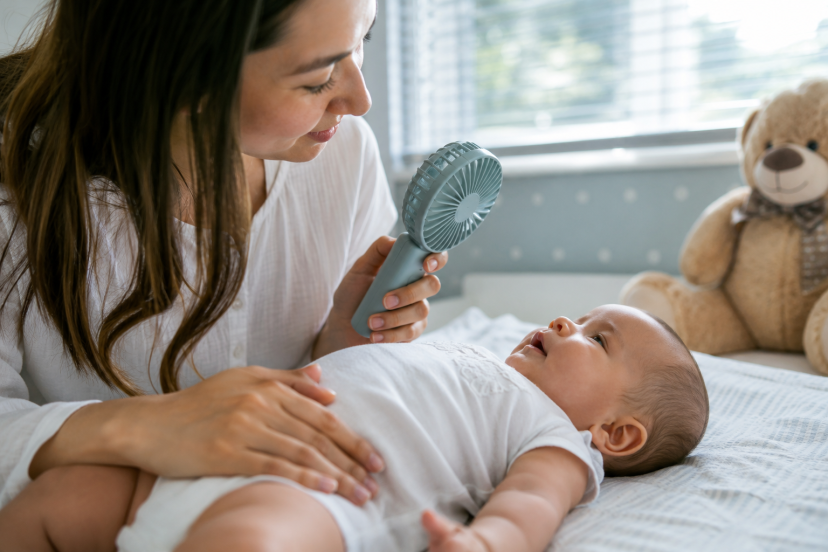
Summer heat waves can be uncomfortable for everyone, but babies require especially careful protection. Infants depend entirely on adults to keep them hydrated, appropriately dressed, shaded, and in a safe environment. They cannot tell a caregiver that they feel dizzy, overheated, or unusually thirsty, and their condition can worsen quickly when temperatures become dangerously high.
Keeping a baby cool does not require filling the nursery with specialized gadgets. The most effective measures are usually straightforward: stay in an air-conditioned space when possible, limit outdoor exposure, offer appropriate feeds, use light clothing, maintain airflow, and watch closely for changes in the baby’s behavior, breathing, skin temperature, and diaper output.
Parents should also check local heat advisories and air-quality conditions before taking a baby outdoors. The Centers for Disease Control and Prevention (CDC) recommends using its HeatRisk and air-quality resources to understand local conditions and plan protective actions during periods of extreme heat.
“Infants and young children rely on others to keep them cool and hydrated when it’s hot outside.”
— Centers for Disease Control and Prevention
Key Takeaways
- Keep babies in an air-conditioned or reliably cool environment during the hottest part of the day.
- Dress a baby in loose, lightweight clothing and remove unnecessary layers when the baby feels hot.
- Babies younger than six months generally should not be given plain water. Offer additional breast milk or properly prepared formula instead.
- Never cover a stroller or car seat with a blanket because the covering can trap heat and restrict ventilation.
- Never leave a baby alone in a vehicle, even for one minute or with the windows open.
- Seek medical help when a baby becomes unusually sleepy, difficult to wake, confused, feverish, weak, or has abnormal breathing.
Four Helpful Products for Keeping a Baby Cool
Product availability, pricing, colors, and sizes may change over time. These products can support a baby heat-safety routine, but they should never replace air conditioning, shade, appropriate feeding, close supervision, or professional medical care.
1. Gaiatop Mini Portable Stroller Fan


The Gaiatop Mini Portable Stroller Fan is a compact rechargeable fan designed with a flexible tripod that can wrap around stroller frames and other secure surfaces. It offers three airflow speeds, a detachable fan head, and adjustable horizontal and vertical rotation. Its 2,000 mAh battery provides approximately 3.5 to 10 hours of operation, depending on the selected speed.
The Gaiatop Mini Portable Stroller Fan features a flexible tripod, a rechargeable battery, three speed settings, and an adjustable fan head. It can be secured to a stroller frame to improve airflow during short summer outings. Always position the fan outside the baby’s reach and inspect the housing and attachment before each use. Do not attach it to a crib for unsupervised sleep or rely on it to protect a baby in dangerously hot conditions.
- Flexible Mount: The bendable tripod attaches to different stroller frames.
- Adjustable Airflow: Three speeds and multidirectional rotation make positioning easier.
- Rechargeable Design: The fan can operate without remaining connected to an outlet.
- Variable Runtime: Using a higher speed drains the battery more quickly.
- Careful Placement: The fan must remain securely attached and outside the baby’s reach.
- Limited Protection: It circulates air but does not lower dangerously high outdoor temperatures.
2. Green Sprouts Baby Flap Sun Protection Hat


The i Play by Green Sprouts Baby Flap Sun Protection Hat is made with UPF 50+ material to help cover a baby’s head, eyes, face, and neck. It includes a moisture-absorbing breathable liner, an adjustable fit, a tie strap, and a lightweight foldable design. The hat is also quick-drying and machine-washable, making it suitable for summer travel, swimming, and supervised outdoor activities.
The Green Sprouts Baby Flap Sun Protection Hat is made with lightweight UPF 50+ fabric and provides coverage for the baby’s head, face, and back of the neck. Its extended neck flap offers greater sun protection than a standard baby cap. Choose the correct size and make sure the closure is comfortable and secure. Remove the hat when the baby is indoors or whenever the baby appears hot, sweaty, or uncomfortable.
- Extended Coverage: The brim and neck flap protect more skin than a basic cap.
- Adjustable Fit: The elastic back and tie strap help keep the hat in place.
- Travel-Friendly: Its lightweight, foldable construction is easy to pack.
- Size Selection: Parents must measure carefully to choose the proper fit.
- Regular Adjustment: The strap and elastic may need repositioning as the baby moves.
- No Heat Reduction: The hat provides shade but cannot prevent overheating.
3. Munchkin Brica Magnetic Stretch-to-Fit Sun Shade


The Munchkin Brica Magnetic Stretch-to-Fit Sun Shade is a two-pack of expandable mesh window shades designed for compatible passenger vehicles. Each shade measures 14 by 28 inches and can stretch to approximately 18 by 34 inches. Five integrated magnets attach the shade to a magnetic metal door frame, while hooks and hoops help customize the fit. The mesh helps block UVA and UVB rays and reduce glare without completely blocking the view through the window.
The Munchkin Brica Magnetic Stretch-to-Fit Sun Shade attaches to compatible metal vehicle window frames and stretches to cover larger side windows. Its mesh material helps reduce direct sunlight and glare while allowing outward visibility. Check that the shade is compatible with the vehicle before use. It should not block the driver’s view, interfere with airbags, or create loose parts that the baby can reach. A window shade can reduce sunlight but cannot prevent a parked vehicle from becoming dangerously hot.
- Expandable Coverage: The material stretches to fit various window shapes and sizes.
- Magnetic Installation: Integrated magnets allow quick attachment to compatible frames.
- Clear Visibility: The mesh reduces glare without fully obstructing the outside view.
- Limited Compatibility: The magnets will not attach to nonmagnetic vehicle frames.
- Fit Adjustments: Hooks and hoops may need repositioning for different windows.
- Partial Heat Control: The shade reduces direct sunlight but cannot keep a parked vehicle cool.
4. ThermoPro TP50 Indoor Thermometer and Hygrometer


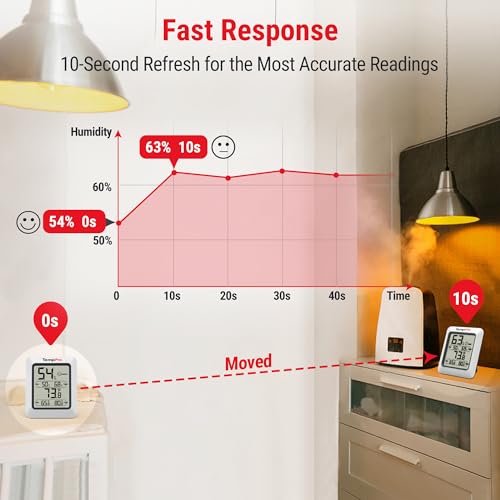
The TempPro TP50, previously sold under the ThermoPro name, measures indoor temperature and relative humidity. Its display includes a DRY, COMFORT, or WET indicator, along with high and low temperature and humidity records. The device refreshes its readings every 10 seconds and has a stated accuracy of approximately plus or minus 1°F for temperature and plus or minus 2% to 3% for relative humidity.
The ThermoPro TP50 displays indoor temperature and humidity levels and records recent high and low readings. It can help parents identify when a nursery, bedroom, or living area is becoming warmer or more humid than expected. This device measures room conditions and should not be used to check a baby for fever. Use a proper medical thermometer when illness is suspected, and always respond to the baby’s symptoms even when the room reading appears normal.
- Dual Monitoring: It displays both temperature and humidity in one place.
- Frequent Updates: Environmental readings refresh every 10 seconds.
- High-Low Records: The device records recent maximum and minimum conditions.
- Single-Room Reading: It only measures conditions around the device’s location.
- No Medical Use: It cannot be used to check a baby for fever.
- Battery Required: The unit depends on an AAA battery for operation.
Why Babies Are More Vulnerable to Extreme Heat
Babies cannot independently move into the shade, remove a layer of clothing, ask for a drink, or explain that they feel unwell. The CDC emphasizes that infants and young children rely on caregivers to keep them cool and hydrated.
The risk is not limited to exceptionally hot states. A baby can overheat in a warm bedroom, poorly ventilated apartment, covered stroller, parked vehicle, crowded outdoor gathering, or home affected by an air-conditioning failure.
Certain babies may need even closer monitoring, including newborns, babies born prematurely, babies with fever or diarrhea, and those with heart, lung, kidney, or other medical conditions. Parents caring for a medically vulnerable baby should ask their pediatrician for an individualized heat-safety plan.
Keep the Home as Cool as Possible
Air conditioning is one of the most effective ways to protect a baby during extreme heat. Keep the baby in the coolest available part of the home, close curtains or blinds that receive direct sunlight, and avoid using heat-producing appliances unnecessarily during the hottest hours.
If the home cannot be maintained at a safe, comfortable temperature, arrange to spend the hottest part of the day in an air-conditioned location. Possible options include a relative’s home, public library, shopping center, community facility, or designated cooling center. The American Academy of Pediatrics recommends having a backup destination in communities where power outages occur or air conditioning is unreliable.
A fan can improve air movement, but it is not a replacement for air conditioning during severe heat. Keep fans and electrical cords securely beyond the baby’s reach. The American Academy of Pediatrics. (AAP) also cautions against directing a fan at a person when the indoor temperature is above 90°F because blowing very hot, dry air may increase dehydration risk.
Parents can use an indoor thermometer to monitor conditions, but the reading should be considered alongside the baby’s appearance and behavior. A comfortable-looking number on a device does not override signs such as sweating, hot skin, unusual sleepiness, or rapid breathing.
Dress the Baby in Light, Breathable Clothing
During a heat wave, a baby generally needs fewer layers than during ordinary weather. Choose loose, lightweight, breathable clothing that allows air to circulate. A single light cotton bodysuit or diaper may be enough inside a hot home, depending on the conditions.
Check the baby’s chest or the back of the neck rather than relying only on the hands and feet, which may naturally feel cooler. Sweating, damp hair, flushed skin, or a hot chest can indicate that the baby is wearing too much. The AAP identifies sweating, a hot chest, and flushed skin as warning signs of overheating.
Do not place a hat on a baby indoors to keep them comfortable. Hats can prevent heat from escaping from the head. A sun hat is useful outdoors for shade, but it should be removed after the baby returns inside.
Keep Sleep Safe During Hot Weather
Parents may be tempted to add cooling pads, damp towels, pillows, ice packs, or loose fabric to the crib during a heat wave. These items should not be placed in an infant’s sleep space.
The baby should continue sleeping on their back on a firm, flat surface with a fitted sheet and no pillows, blankets, toys, bumpers, loose bedding, or positioners. If a baby falls asleep in a stroller, swing, carrier, or car seat, the AAP recommends moving the baby to a firm, approved sleep surface as soon as practical.
Dress the baby lightly for sleep. In normal conditions, the AAP advises no more than one additional clothing layer compared with what an adult would wear in the same environment. During a heat wave, even that additional layer may be unnecessary if the room is warm. Overheating is associated with an increased risk of sleep-related infant death, so parents should check for sweating, a hot chest, and flushed skin.
Avoid weighted swaddles, weighted sleep sacks, heavy blankets, and indoor hats. Swaddling can also contribute to overheating and should be discontinued once a baby begins attempting to roll.
Feed the Baby Frequently and Appropriately
A baby may want to feed more frequently during hot weather. Breastfed babies can be offered the breast more often. Babies receiving expressed breast milk may be offered additional milk, while formula-fed babies can be offered additional properly prepared formula.
Do not dilute formula to provide more fluid. Formula must always be mixed according to the manufacturer’s directions because adding extra water can create a dangerous electrolyte imbalance.
Babies younger than six months generally should not be given plain water unless a qualified healthcare professional has provided specific instructions. Breast milk or correctly prepared infant formula normally provides the hydration they need. The AAP specifically advises that infants, particularly those in the first six months, should receive additional breast milk or formula rather than water on hot days.
For an older baby who has begun eating complementary foods, parents can follow their pediatrician’s guidance about offering small amounts of water. Milk feeds should remain an important part of the baby’s nutrition and hydration.
Monitor wet diapers. A noticeable reduction in urination, very dry lips or mouth, few or no tears, or increasing lethargy can indicate dehydration and should prompt medical advice.
Plan Outdoor Time Carefully
The safest option during an extreme heat warning may be to keep the baby indoors in a cool environment. When going outside is necessary, plan the trip for the cooler early-morning or evening hours and keep it brief.
The AAP recommends avoiding outdoor exposure for babies during the strongest sun, generally between 10 a.m. and 4 p.m. Babies younger than six months should be kept out of direct sunlight and protected with shade, lightweight clothing, long sleeves or pants when appropriate, and a wide-brimmed or neck-flap hat.
For babies younger than six months, shade and protective clothing should be the primary sun-protection methods. When adequate shade and clothing are unavailable, the AAP states that a small amount of sunscreen may be applied to limited exposed areas, such as the face or backs of the hands. Babies six months and older can have broad-spectrum sunscreen applied to exposed skin, with reapplication according to the product directions.
Remember that shade prevents direct sun exposure but does not eliminate heat risk. A shaded patio, stroller, or beach tent can still become extremely hot.
Use Strollers and Car Seats Safely
Never drape a blanket, towel, or muslin cover across a stroller or infant car seat. Even lightweight fabric can reduce ventilation and trap warm air around the baby. Use the stroller’s approved canopy or a compatible sunshade while keeping the sides open for airflow. Health authorities warn that covering a stroller or car seat with a blanket can cause the enclosed temperature to rise quickly.
A portable stroller fan may help circulate air when used correctly, but it should not be treated as protection against extreme temperatures. Attach it where it cannot fall onto the baby and where fingers, hair, clothing, and straps cannot reach the blades. Inspect the guard and attachment before every use.
Parents should also check the CPSC recall database before using secondhand or unfamiliar cooling accessories. In March 2025, approximately 33,600 Nuby stroller fans were recalled because children’s fingers could contact the blades through the fan housing.
Never Leave a Baby in a Parked Vehicle
A parked vehicle can become deadly within minutes. Opening the windows slightly or parking in the shade does not make the vehicle safe.
The CDC reports that the temperature inside a vehicle can rise almost 20°F within the first 10 minutes, even when a window is cracked. NHTSA states that children’s body temperatures can rise three to five times faster than adults’ body temperatures.
Never leave a baby in a vehicle while paying for gas, returning a shopping cart, collecting another child, or completing a brief errand. Make a habit of checking the back seat every time the vehicle is parked. Placing an essential item such as a handbag, employee badge, or one shoe in the back seat can provide an additional reminder.
A window shade can reduce direct glare while the vehicle is moving, but it cannot prevent a parked vehicle from overheating.
Signs That a Baby May Be Overheating
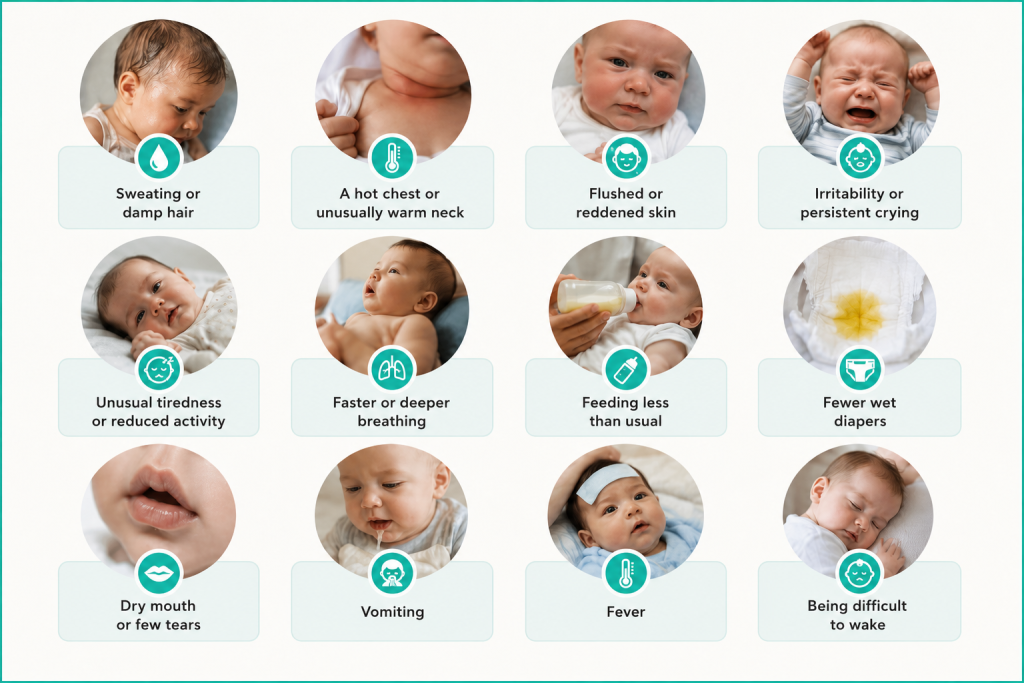
Early recognition matters. Possible warning signs include:
- Sweating or damp hair
- A hot chest or unusually warm neck
- Flushed or reddened skin
- Irritability or persistent crying
- Unusual tiredness or reduced activity
- Faster or deeper breathing
- Feeding less than usual
- Fewer wet diapers
- Dry mouth or few tears
- Vomiting
- Fever
- Being difficult to wake
The AAP advises contacting a pediatrician immediately when heat-related symptoms do not improve quickly after the child is moved into a cooler environment. Serious warning signs include extreme drowsiness, confusion, loss of coordination, fever, vomiting, abnormal breathing, intense thirst, and not urinating for many hours.
What to Do When a Baby Becomes Too Hot
Move the baby to an air-conditioned or shaded area immediately. Remove excess clothing and offer breast milk or formula if the baby is awake, alert, and able to feed normally.
Use cool—not ice-cold—water on the skin. A lukewarm or cool bath, gentle mist, or cool damp cloth can help lower body temperature. Avoid placing ice directly on a baby’s skin. The AAP recommends cool baths or water mist as practical ways to help a child cool down.
Call the baby’s pediatrician promptly when symptoms are concerning or fail to improve. Call 911 when the baby is difficult to wake, unresponsive, having a seizure, struggling to breathe, or showing signs of severe heat illness. Suspected heatstroke is a medical emergency and should not be managed solely at home.
A Simple Heat-Wave Routine for Parents
Before the day becomes hot, check the weather, heat alert, and air-quality forecast. Close curtains, cool the home early, prepare feeds, charge necessary devices, and identify an air-conditioned backup location.
Throughout the day, check the baby’s chest or neck, monitor wet diapers, offer feeds frequently, and keep outdoor trips short. At bedtime, maintain the usual safe-sleep setup with a firm, flat surface and no additional cooling objects in the crib.
Frequently Asked Questions
1. Can I give my baby water during a heat wave?
Babies younger than six months generally should not receive plain water unless a healthcare professional specifically recommends it. Offer more frequent breast milk or properly prepared formula instead. Never add extra water to formula.
2. Is it safe to use a fan near a baby?
A fan can circulate air when kept at a safe distance and securely beyond the baby’s reach. It should not blow forcefully into the baby’s face, and it cannot replace air conditioning during dangerous heat. The AAP cautions that directed fan airflow may increase dehydration risk when the room temperature exceeds 90°F.
3. How should a baby be dressed for sleep during a heat wave?
Use a lightweight bodysuit, light pajamas, or only a diaper when conditions justify it. Do not use an indoor hat, heavy sleep sack, weighted product, loose blanket, damp towel, or cooling pad. Continue placing the baby on their back on a firm, flat sleep surface.
4. Can I cover the stroller with a muslin blanket for shade?
No. A blanket can limit ventilation and trap heat, even when the fabric appears lightweight or breathable. Use the stroller’s canopy, an approved sunshade, and an open setup that maintains airflow. Check the baby frequently and move indoors when the environment becomes too hot.
5. When should I seek emergency care for an overheated baby?
Call 911 when the baby is difficult to wake, unresponsive, having a seizure, struggling to breathe, or showing severe heat-illness symptoms. Move the baby into a cool environment and remove excess clothing while emergency help is on the way. Contact the pediatrician promptly for less severe symptoms that do not improve quickly after cooling.
Final Thoughts
The best protection during a summer heat wave is prevention. Keep the baby in a reliably cool environment, use lightweight clothing, provide appropriate feeds, avoid unnecessary outdoor exposure, maintain safe sleep practices, and never leave the baby inside a parked vehicle.
Products such as sun hats, window shades, stroller fans, and room thermometers can support a heat-safety plan, but attentive supervision remains the most important safeguard. When a baby looks or behaves differently after heat exposure, trust that concern and seek professional medical guidance.