Best Baby Diapers for Sensitive Skin
*We may earn a commission for purchases made using our links. Please see our disclosure to learn more.
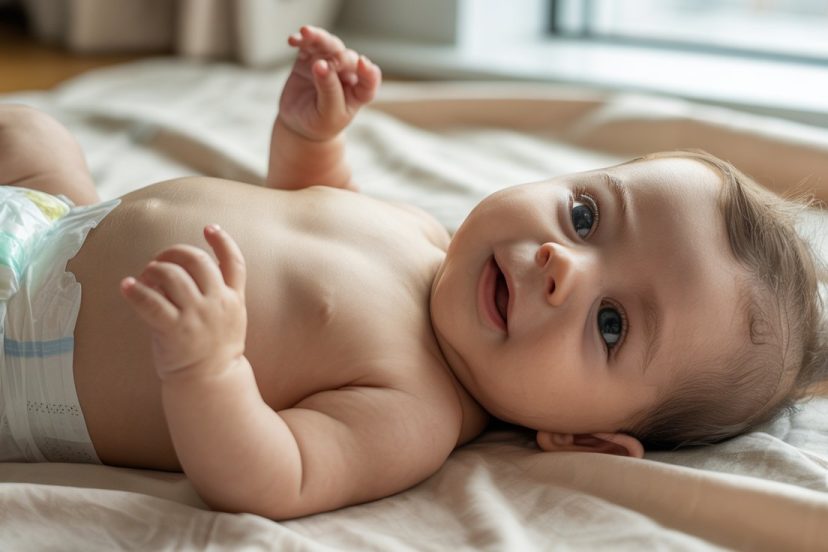
Choosing the right diaper for a baby with sensitive skin can feel overwhelming. Store shelves and online shops offer dozens of options, which often leaves parents wondering which products will help prevent rashes, irritation, and discomfort. Many infants have sensitive skin, and the wrong diaper can quickly cause redness, chafing, or a full diaper rash. When parents understand what to look for and why certain materials and formulas matter, the process becomes much easier.
This guide breaks down everything caregivers need to know about selecting diapers designed specifically with sensitive skin in mind. From key ingredients to avoid to trusted product recommendations available on Amazon, this article covers it all.
“Diaper dermatitis remains one of the most prevalent skin conditions in infancy, and material selection is a key factor in both prevention and management.”
— American Academy of Dermatology, Clinical Guidelines on Infant Skin Care
Key Takeaways
- Babies with sensitive skin need diapers that are free from fragrances, lotions, and harsh chemicals.
- The material and breathability of a diaper play a major role in preventing rash and irritation.
- Hypoallergenic and dermatologist-tested labels are helpful indicators of a gentler product.
- Fit matters just as much as material, as a poorly fitting diaper can cause friction and skin breakdown.
- Several well-reviewed diaper options are available on Amazon US and cater specifically to sensitive or reactive skin.
Best Baby Diapers for Sensitive Skin
Below are four highly rated diapers available on Amazon that work well for babies with sensitive skin. We chose each option based on its ingredients, dermatologist support, parent reviews, and design features that help protect skin health.
Pampers Pure Protection Diapers


Pampers Pure Baby Diapers are a strong option for parents searching for the best baby diapers for sensitive skin. Designed for babies weighing 12 to 18 pounds, this Size 2 pack includes 74 premium hypoallergenic diapers made with softness and skin comfort in mind. These diapers are built to help keep babies dry while offering up to 100% leakproof protection, which is important for both daytime wear and overnight use.
These diapers use a plant-based liner and avoid fragrances, chlorine bleaching, and parabens. Their soft, breathable design helps keep babies comfortable, and dermatologist testing adds extra reassurance. The built-in wetness indicator helps caregivers change diapers quickly, which reduces how long skin stays exposed to moisture. They work well for newborns through toddlers.
- Skin-Friendly: Hypoallergenic design makes it a great fit for sensitive skin.
- Leak Protection: Offers strong leak protection for daily and overnight use.
- Soft Material: Premium softness helps keep babies comfortable.
- Higher Price: Costs more than many standard diaper options.
- Size-Specific Pack: This pack only fits babies in the 12 to 18 pound range.
- Premium Choice: May not be ideal for parents on a tighter diaper budget.
Honest Company Clean Conscious Diapers


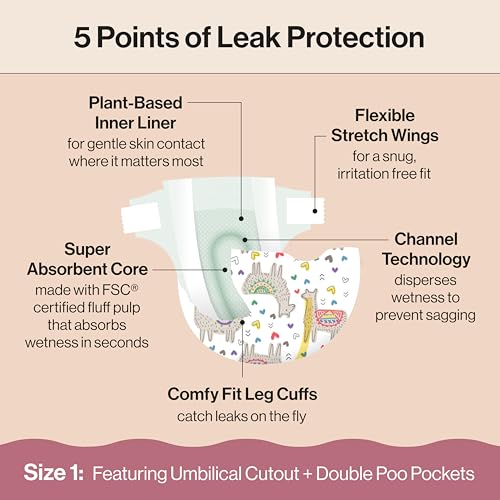
The Honest Company Comfort Dry Disposable Diapers for Sensitive Skin are a popular option for parents searching for the best baby diapers for sensitive skin. This Club Box Size 1 includes 78 diapers designed for babies weighing 8 to 14 pounds. With a hypoallergenic design and a focus on gentle comfort, these diapers are made to support babies who may need a softer, skin-friendly option for daily wear.
These diapers are plant-based and free from chlorine processing, fragrances, and latex. They are hypoallergenic and include an ultra-absorbent core that wicks moisture away from the skin quickly. The outer layer is soft and stretchy, providing a secure and comfortable fit. Available in multiple fun prints while keeping the focus on skin safety.
- Hypoallergenic Design: Made for babies who need a gentler diaper option.
- Good Value: 78-count box offers a practical amount for daily use.
- Cute Prints: Fun designs make these diapers feel more stylish than basic options.
- Lower Rating: Customer rating is lower than some top premium diaper brands.
- Size Limited: This pack only fits babies in the 8 to 14 pound range.
- Pattern Preference: Printed styles may not appeal to parents who prefer plain diapers.
Earth & Eden Sensitive Baby Diapers


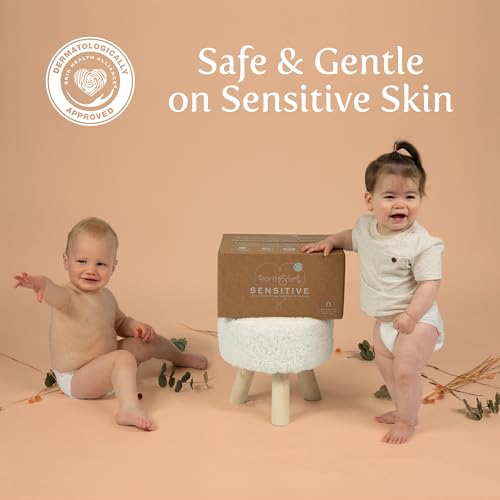
Earth & Eden Sensitive Baby Diapers are a solid option for parents looking for the best baby diapers for sensitive skin, especially for older babies who need a larger size. This Size 7 pack includes 80 diapers and is designed with a hypoallergenic, eco-conscious approach that focuses on comfort and gentle skin care. With no harsh chemicals and dermatologically approved materials, these diapers are made for families who want a softer and more mindful diaper choice.
If you are researching the best baby diapers for sensitive skin, Earth & Eden Sensitive Baby Diapers are a strong option for parents who want a gentler and more eco-conscious choice. These diapers avoid harsh chemicals and provide a comfortable feel for delicate skin, which matters for babies who often experience irritation or dryness. Their dermatologically approved design also gives families more confidence when skin comfort is a top priority.
- Gentle Design: Hypoallergenic and dermatologically approved for sensitive skin.
- Eco-Conscious: Made without harsh chemicals for a more mindful diaper choice.
- Larger Size Option: Size 7 is helpful for older babies who need bigger diapers.
- Higher Cost: Price per diaper is higher than some other options.
- Size Specific: This pack is only useful for babies who already need Size 7.
- Moderate Rating: Customer rating is good, but not as high as some top diaper brands.
Huggies Special Delivery Diapers


Huggies Skin Essentials Baby Diapers are a strong contender for parents searching for the best baby diapers for sensitive skin. This Size 1 pack is made for babies weighing 8 to 14 pounds and includes 204 diapers across 3 packs of 68, making it a convenient bulk option for daily use. With a skin-focused design and trusted brand reputation, these diapers are made to support comfort while helping parents stay stocked longer.
These are Huggies’ purest diaper option, made with plant-based materials and free from fragrances, parabens, and elemental chlorine. The hypoallergenic liner is extra soft, and the design contours to the baby’s body for a snug fit without restricting movement. Dermatologist-tested and available in a wide range of sizes.
- Bulk Value: 204-count pack is useful for stocking up and reducing frequent reorders.
- Skin-Focused: Designed for babies who may need a gentler diaper option.
- Trusted Brand: Huggies is a well-known name for everyday diapering needs.
- Higher Total Cost: Upfront price is higher because of the large pack size.
- Size Limited: This pack only fits babies in the 8 to 14 pound range.
- Packaging May Vary: Product presentation may differ from what shoppers expect.
Why Diaper Choice Matters for Sensitive Skin
Infant skin is significantly thinner and more permeable than adult skin. This means external irritants are absorbed more easily, and the skin’s natural barrier is more likely to be disrupted. When a baby has sensitive skin, that vulnerability is even more pronounced. Diapers are in near-constant contact with some of the most delicate areas of a baby’s body, making their composition and design critically important.
Diaper rash is one of the most common skin conditions affecting infants, and while it has multiple causes, the type of diaper used plays a considerable role. Moisture trapped against the skin, friction from a poor-fitting diaper, and exposure to chemicals in the diaper material can all trigger or worsen irritation. For babies who are already prone to sensitivity, the risk is even higher.
What to Look for in a Diaper for Sensitive Skin
Not all diapers labeled as gentle or natural are created equal. It helps to know what specific features to look for when evaluating options for a baby with reactive skin.
Fragrance-Free Formula
Fragrances are among the most common skin irritants in diaper products. Even scents marketed as pleasant or natural can trigger contact dermatitis in sensitive infants. A diaper that contains no added fragrances eliminates this risk category entirely. Parents should also be cautious of “lightly scented” options, which still contain fragrance compounds.
Chlorine-Free Processing
Many conventional diapers use chlorine bleaching during manufacturing, which can leave trace residues on the diaper material. These residues have been associated with skin irritation in some infants. Diapers that use elemental chlorine-free or totally chlorine-free processing are considered safer for sensitive skin.
Hypoallergenic Materials
Look for diapers labeled hypoallergenic and, ideally, dermatologist-tested. These terms indicate the product has been formulated and evaluated with the specific goal of minimizing allergic reactions. While no product can be guaranteed allergy-free for every individual baby, these labels provide a meaningful starting point.
Breathability
A breathable outer layer allows air to circulate around the skin, reducing heat and moisture buildup. Heat and trapped moisture are two of the leading contributors to diaper rash. Diapers made with breathable materials or perforated outer covers help maintain a more comfortable microenvironment for the skin.
Absorbency
High absorbency is essential for sensitive skin. The faster a diaper can pull moisture away from the skin and lock it in the core, the less time the skin spends in a wet environment. Look for diapers with a fast-absorbing inner liner and a leakage-proof design that does not require excess tightening, which can cause additional friction.
No Added Lotions or Parabens
Some diapers include a layer of lotion intended to soothe the skin. While this might sound beneficial, added lotions can interfere with diaper rash creams and may include chemicals that irritate highly sensitive babies. Parabens, which are preservatives sometimes found in diaper components, have also been flagged as potential irritants. Opting for a clean-formula diaper without these additives is generally the safer choice.
Common Triggers of Diaper Rash in Sensitive Babies
Understanding what causes diaper rash helps caregivers make proactive choices beyond just diaper selection.
- Prolonged exposure to urine or stool: Frequent diaper changes are essential, ideally every two to three hours or immediately after bowel movements.
- Introduction of new foods: As babies start solid foods, the composition of their stool changes, which can sometimes trigger skin reactions.
- Antibiotic use: Antibiotics can alter gut flora and increase the likelihood of yeast-related diaper rash in some infants.
- Tight-fitting diapers: A diaper that is too snug creates friction and restricts airflow, both of which contribute to skin breakdown.
- Certain wipes: Baby wipes with alcohol, fragrance, or preservatives can be just as irritating as the wrong diaper. Switching to fragrance-free, water-based wipes is recommended alongside a diaper change.
Tips for Managing Sensitive Skin at Every Diaper Change
Beyond choosing the right diaper, a consistent care routine at each change can go a long way in protecting sensitive skin.
Gently cleanse the area with a soft, fragrance-free wipe or a warm, damp cloth. Pat the skin dry rather than rubbing, as rubbing increases friction and can aggravate irritation. Allow the skin to air dry for a minute or two before applying any cream or putting on a fresh diaper.
Applying a thin barrier cream or ointment containing zinc oxide before each diaper change creates a protective layer between the skin and moisture. This is particularly helpful for babies who are prone to rashes even with high-quality diapers.
Sizing is also worth revisiting periodically. As babies grow, their diaper size should be adjusted accordingly. A diaper that is too small creates pressure and friction, while one that is too large tends to sag and leak, both of which can irritate the skin.
Organic vs. Conventional Diapers: What the Research Suggests
There is growing interest in organic and plant-based diapers as alternatives to conventional options. These diapers often use sustainably sourced materials, minimal processing, and avoid synthetic chemicals. For parents of babies with sensitive skin, the appeal is understandable.
That said, the term “organic” is not uniformly regulated in the diaper industry, meaning it can be applied loosely. What matters more than the organic label is the ingredient list and any dermatological testing the product has undergone. A diaper labeled organic that still contains fragrances or lotions offers little benefit for sensitive skin.
Conventional diapers from reputable brands that have undergone dermatological testing and eliminated known irritants can be just as effective as organic options. The key is to read labels carefully and prioritize transparency from the manufacturer.
When to Consult a Pediatrician
Most cases of diaper rash resolve within a few days with proper care and a diaper switch. However, there are situations where professional guidance is warranted. If a rash does not improve after two to three days of home treatment, is spreading beyond the diaper area, includes blistering, oozing, or bleeding, or if the baby appears to be in significant discomfort, a pediatrician should be consulted.
In some cases, what appears to be diaper rash may actually be a fungal or bacterial infection, or even a skin condition such as eczema or psoriasis, all of which require specific treatment. A dermatologist or pediatrician can provide an accurate diagnosis and recommend appropriate next steps.
Conclusion
Protecting a baby’s sensitive skin begins with the right diaper. By choosing options that are free from fragrances, chlorine processing, and harsh chemicals, and that prioritize breathability and absorbency, caregivers can significantly reduce the risk of diaper rash and skin irritation. Paired with a gentle care routine at each change and prompt attention to any signs of a worsening rash, the right diaper makes a meaningful difference in a baby’s comfort and skin health.
The four products highlighted in this guide represent some of the most trusted options for sensitive skin currently available on Amazon US. Each has been recognized by parents and dermatology professionals alike for its commitment to gentle, clean formulation.
Frequently Asked Questions
1. How do you know if a baby has sensitive skin?
Signs of sensitive skin in infants include frequent redness or rash in the diaper area, reactions after introducing new products, dry or flaky patches on other parts of the body, and a tendency to develop irritation quickly after contact with moisture. If in doubt, a pediatric dermatologist can provide a proper assessment.
2. Can switching diaper brands help with recurring rashes?
Yes. Many parents find that switching to a fragrance-free, hypoallergenic diaper brand resolves recurring rashes that did not respond to other treatments. The skin may be reacting to a specific chemical or material in the previous diaper, and a cleaner formula can eliminate that trigger.
3. Are cloth diapers better for sensitive skin than disposables?
Cloth diapers can be a good option for some babies with sensitive skin, as they are typically free from synthetic chemicals. However, they require proper washing to avoid detergent buildup, and they are generally less absorbent than disposables, which can increase moisture exposure. The best choice depends on the individual baby and their specific sensitivities.
4. How often should diapers be changed for a baby with sensitive skin?
For babies with sensitive skin, diapers should be changed every two to three hours during the day, and immediately after any bowel movement. Even if the diaper does not appear full, regular changes reduce the amount of time the skin spends in contact with moisture and irritants.
Indirectly, yes. A diaper that does not fit correctly, whether too tight or too loose, can cause friction, pressure sores, or leakage that irritates the skin. Ensuring the correct size for the baby’s current weight and body shape is an important part of sensitive skin management.