Why Do Babies Fight Sleep? 9 Common Reasons and How to Help
*We may earn a commission for purchases made using our links. Please see our disclosure to learn more.
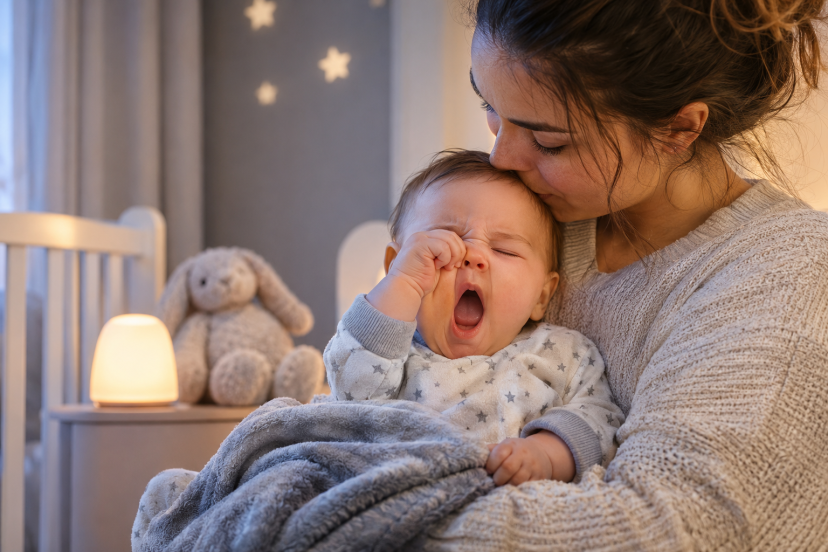
Your baby is yawning, rubbing their eyes, and clearly exhausted. You dim the lights, get everything ready for bedtime, and gently lay them down. Instead of falling asleep, they start crying, squirming, or suddenly seem wide awake.
If this sounds familiar, you may be wondering, why do babies fight sleep when they’re obviously tired?
Babies fight sleep for several reasons, including overtiredness, overstimulation, hunger, discomfort, and changes in their development. Sometimes, they simply aren’t tired enough to settle down. Unlike adults, babies are still developing regular sleep patterns and often need help transitioning from being awake to falling asleep.
The good news is that sleep resistance is common during infancy. Understanding your baby’s behavior, recognizing early sleep cues, and establishing a predictable routine can make bedtime easier.
“Every baby is different, so try not to compare yours with others.”
— National Health Service (NHS), Your Baby’s Sleep Patterns
Key Takeaways
- Overtiredness is a common reason babies fight sleep. Missing early sleep cues can make settling down more difficult.
- Babies may resist sleep because of hunger, overstimulation, discomfort, or separation anxiety.
- Sleep needs change with age. Newborns have irregular sleep cycles, while older babies gradually develop more predictable patterns.
- A consistent bedtime routine can help. Gentle activities such as reading, cuddling, and dimming the lights may make sleep transitions easier.
- Safe sleep remains essential. Always place babies on their backs on a firm, flat sleep surface without loose bedding or soft objects.
What Does It Mean When a Baby Fights Sleep?
Fighting sleep describes a baby’s resistance to falling asleep, even when they appear tired.
Some babies cry when placed in their crib. Others arch their backs, kick their legs, turn their heads, or become unusually alert. A baby may also fall asleep while being held but wake immediately after being put down.
This behavior doesn’t necessarily mean anything is wrong. Sleep develops gradually, and babies have different needs depending on their age, temperament, feeding patterns, and surroundings.
Newborns, in particular, don’t have established day-and-night sleep cycles. According to the American Academy of Pediatrics (AAP), regular sleep cycles generally don’t develop until around four months of age.
4 Products That May Support a Calmer Bedtime Routine
A few practical products can make the sleep environment more comfortable and bedtime activities easier to manage. However, no product can guarantee better sleep or replace safe-sleep practices.
1. Hatch Rest Baby Sound Machine


Create calming bedtime routines and support better sleep with the Hatch Rest Baby Sound Machine (2nd Gen). Designed as an all-in-one nursery essential, this Wi-Fi enabled sound machine features customizable white noise, soothing lights, toddler sleep training features, and bedtime stories. Ideal for babies and growing kids, it helps build healthy sleep habits and gives parents remote control access through the Hatch app. From naps to nighttime routines, Hatch Rest is your must-have sleep solution.
- All-in-One Functionality: Combines a baby sound machine, night light, sleep trainer, and alarm clock in one.
- App-Controlled Convenience: Easily control settings and routines from anywhere via Wi-Fi with the Hatch app.
- Custom Sleep Support: Tailor light and sound combos to match your child’s sleep needs at every stage.
- Wi-Fi Dependent: Full features require a stable Wi-Fi connection.
- Pricey for Some: Higher cost than basic baby sound machines.
- No Battery Backup: Needs to stay plugged in for continuous use.
The Hatch Rest Baby Sound Machine combines adjustable sounds with a night-light and customizable routines.
Its sound settings may help mask occasional household noise, while the lighting features can support a predictable bedtime transition.
Best for: Families who want a consistent sound and lighting routine.
Safety tip: Place the machine well away from your baby’s crib, keep cords inaccessible, use a low volume, and avoid unnecessary continuous exposure to loud sound.
2. HALO SleepSack Wearable Blanket


The HALO SleepSack SuperSoft Wearable Blanket is designed to keep babies comfortable during naps and bedtime without loose blankets. Made with soft bamboo-derived viscose and a cozy three-layer construction, it provides gentle warmth while allowing room for natural leg movement. Its 1.5 TOG rating makes it suitable for moderately cool rooms, while the two-way zipper simplifies nighttime diaper changes. The medium size is designed for babies approximately 6–12 months old.
- Soft Fabric: Gentle bamboo-derived viscose feels comfortable against the skin.
- Easy Diaper Changes: Two-way zipper allows quick nighttime access.
- Roomy Design: Supports natural movement without loose bedding.
- Higher Price: Costs more than many basic wearable blankets.
- Warmth Limitations: The 1.5 TOG rating may be too warm for hotter rooms.
- Limited Size Range: Babies may outgrow the medium size quickly.
The HALO SleepSack Wearable Blanket provides an alternative to loose blankets during sleep.
Available in different sizes and fabric weights, it allows babies to stay covered without placing a traditional blanket inside the crib.
Best for: Parents seeking non-weighted sleepwear appropriate for their baby’s size and room temperature.
Safety tip: Choose a properly fitted, non-weighted, arms-free model that won’t cover your baby’s head. Avoid overheating and discontinue any product that becomes damaged.
3. NICETOWN Blackout Curtains


The NICETOWN Grey Soundproof Blackout Thermal Curtains are designed to create a darker, quieter, and more comfortable sleeping environment. Made with thick, three-layer polyester fabric and a quilted cotton interlayer, these curtains help block sunlight, reduce outside noise, and improve room insulation. Each set includes two 52-by-84-inch panels with silver grommets for easy installation. Their blackout design makes them a practical choice for nurseries, especially for daytime naps and early bedtimes.
- Complete Blackout: Designed to block sunlight and reduce UV exposure.
- Noise Reduction: Thick, quilted layers help absorb outside sounds.
- Thermal Insulation: Helps limit heat transfer through windows.
- Higher Price: More expensive than basic blackout curtains.
- Heavy Fabric: Thick panels may require sturdy curtain rods.
- Limited Soundproofing: Reduces noise but cannot eliminate it completely.
The NICETOWN Blackout Curtains can reduce incoming daylight, making them useful for daytime naps and early bedtimes.
They may be especially helpful in rooms with bright afternoon sunlight or outdoor lighting.
Best for: Families who want better control over bedroom lighting.
Safety tip: Secure curtains and hardware carefully. Keep curtains, cords, and furniture used for climbing well away from the crib.
4. Goodnight Moon Board Book


Goodnight Moon is a classic bedtime story designed to help young children wind down through gentle storytelling. Written by Margaret Wise Brown and illustrated by Clement Hurd, this beloved book follows a little bunny saying goodnight to familiar objects in a cozy green room. Its rhythmic language, soothing illustrations, and simple storyline make it a wonderful addition to bedtime routines. The durable board book format is suitable for little hands and recommended for children ages 0–4.
- Soothing Story: Gentle, repetitive words create a calming bedtime experience.
- Durable Pages: Sturdy board book design is ideal for small hands.
- Beautiful Illustrations: Soft, familiar imagery keeps young readers engaged.
- Short Story: May be too brief for children who prefer longer books.
- Repetitive Language: Simple wording may not appeal to every child.
- Limited Interaction: Focuses on storytelling rather than hands-on activities.
Goodnight Moon by Margaret Wise Brown is a classic bedtime story with simple, repetitive language.
Reading the same short story each evening can become a familiar part of a calming routine while providing opportunities for parent-child bonding.
Best for: Families who enjoy including reading and quiet connection in bedtime.
Safety tip: Read together before sleep and remove the book from the crib afterward.
These products are optional. The most important foundations of healthy infant sleep are responsive care, age-appropriate routines, and a safe sleeping environment.
9 Common Reasons Babies Fight Sleep
Understanding why your baby resists bedtime is the first step toward finding an approach that works.
1. Your Baby Is Overtired
Overtiredness happens when a baby stays awake longer than they can comfortably manage.
Although being tired might seem like it should make sleeping easier, an overtired baby may become increasingly fussy, restless, and difficult to soothe.
Common signs include intense crying, frantic movements, eye rubbing, and difficulty settling even while being held.
What helps: Watch for early tired signs, such as yawning, staring into space, or losing interest in toys. Begin winding down before your baby becomes extremely upset.
2. Your Baby Isn’t Tired Enough
Sometimes, the opposite problem occurs.
A baby who recently enjoyed a long nap or hasn’t spent enough time awake may not feel ready for another sleep period.
You might notice your baby smiling, babbling, or playing in their crib rather than showing clear signs of tiredness.
What helps: Review your baby’s recent naps and awake periods. Older babies may benefit from small schedule adjustments, but newborns generally need flexible routines based on feeding and sleep cues.
3. Your Baby Is Overstimulated
Bright lights, loud conversations, exciting toys, and frequent changes in activity can make it harder for babies to settle.
This is especially noticeable after family gatherings, busy outings, or an evening filled with energetic play.
A baby who has received too much stimulation may turn away, become fussy, or struggle to relax.
What helps: Create a quieter transition before bedtime. Reduce background noise, dim the lights, and replace active play with gentle activities.
4. Your Baby Is Hungry
Hunger is another common reason babies resist sleep, particularly during the newborn stage.
Young babies need frequent feedings because their stomachs are small. Growth spurts can also temporarily increase their appetite.
If your baby roots, sucks on their hands, or turns toward your chest, they may need to eat before settling.
What helps: Respond to hunger cues and follow age-appropriate feeding guidance. Newborns should not have necessary nighttime feedings delayed to enforce a sleep schedule.
5. Your Baby Is Experiencing Physical Discomfort
A wet diaper, uncomfortable clothing, temperature changes, or illness can interfere with sleep.
Some babies also experience digestive discomfort after feeding. Others may become temporarily fussier during teething.
However, persistent crying shouldn’t automatically be blamed on gas, reflux, or teething, especially when other concerning symptoms are present.
What helps: Check your baby’s diaper, clothing, temperature, and overall behavior. If discomfort continues or your baby seems unwell, contact your pediatrician.
6. Your Baby Is Going Through Developmental Changes
Learning new skills can temporarily affect a baby’s sleep patterns.
A baby who recently started rolling may spend more time moving around before falling asleep. Later, sitting, crawling, and standing can bring new excitement to bedtime.
Parents sometimes call these periods sleep regressions, although the timing and severity vary considerably.
What helps: Give your baby opportunities to practice new skills during supervised awake time. Continue familiar bedtime activities while allowing for temporary changes.
7. Your Baby Has Separation Anxiety
During the second half of the first year, many babies become increasingly aware when their caregivers leave.
This can make bedtime challenging because being placed in the crib signals a temporary separation.
Your baby may cry when you walk away, reach toward you, or settle only after receiving reassurance.
The AAP explains that separation anxiety is a normal stage of emotional development.
What helps: Maintain a reassuring bedtime routine. Offer comfort, respond consistently, and practice brief, predictable separations during the day.
8. Your Baby’s Sleep Environment Isn’t Comfortable
A room that’s too bright, noisy, hot, or cold may contribute to bedtime resistance.
Some babies are easily disturbed by household activity, while others settle more comfortably when their surroundings are predictable.
What helps: Keep the room comfortably cool, reduce unnecessary noise, and dim the lighting. Make sure clothing is appropriate for the temperature without causing overheating.
9. Your Baby Is Used to a Particular Way of Falling Asleep
Babies can become accustomed to being rocked, fed, carried, or held while falling asleep.
These comforting activities are normal, especially for newborns. However, some older babies may have difficulty returning to sleep when they wake in a different environment.
What helps: For babies around four months and older, consider gradually introducing opportunities to fall asleep in their own crib while drowsy. Continue providing reassurance when needed.
There is no single settling method that works for every family.
Signs Your Baby Is Fighting Sleep
Recognizing the difference between normal tiredness and increasing distress can help you respond earlier.
| Early sleepy signs | Signs of increasing tiredness |
|---|---|
| Yawning | Persistent crying |
| Looking away from activities | Frantic arm or leg movements |
| Becoming quieter | Difficulty accepting comfort |
| Losing interest in toys | Increased irritability |
| Rubbing eyes | Arching or stiffening the body |
Not every baby displays these signs in the same order. Some become quiet when tired, while others grow increasingly active.
Pay attention to patterns rather than waiting for a particular behavior.
How Much Sleep Do Babies Need?
Sleep requirements change substantially during the first two years.
According to the Centers for Disease Control and Prevention (CDC), recommended sleep durations include daytime naps.
| Age | Recommended total daily sleep |
|---|---|
| 0–3 months | 14–17 hours |
| 4–12 months | 12–16 hours |
| 1–2 years | 11–14 hours |
These are general recommendations, not exact targets every baby must meet each day.
Newborns often sleep in short stretches and wake frequently for feeding. As babies grow, their sleep tends to become more organized.
If you’re concerned about your baby’s sleep duration, growth, or feeding, discuss their individual needs with a pediatrician.
How to Help a Baby Who Fights Sleep
Once you’ve considered the possible causes, small and consistent adjustments may make bedtime less stressful.
Recognize Sleep Cues Early
Observe when your baby begins yawning, becoming quiet, or losing interest in activities.
These behaviors may signal that it’s time to transition toward sleep.
Avoid waiting until crying becomes intense whenever possible. Early intervention can make soothing easier.
Establish a Simple Bedtime Routine
Babies can benefit from familiar activities that happen in a predictable order.
An easy routine might include:
- Changing into comfortable sleepwear.
- Dimming the bedroom lights.
- Offering a feeding when needed.
- Reading a short bedtime story.
- Cuddling or singing softly.
- Placing your baby in a safe sleep space.
The routine doesn’t need to be long or complicated.
Consistency matters more than following a perfect schedule.
Keep Daytime and Nighttime Different
During the day, expose your baby to natural daylight and provide age-appropriate opportunities for interaction and play.
At night, keep feeding and diaper changes calm, with minimal lighting and conversation.
These differences can gradually help babies recognize when it’s time for activity and when it’s time for rest.
Make Small Adjustments to Nap Timing
If your baby regularly becomes upset before naps, consider whether their awake periods are too long.
If they remain playful and alert at bedtime, they may need a little more awake time.
Make gradual changes and observe the results over several days.
Avoid rigid wake-window rules, particularly for newborns whose schedules are naturally unpredictable.
Use Gentle Soothing Techniques
Rocking, holding, singing, and quiet reassurance can help babies relax.
Some babies respond well to soft, repetitive sounds. Others prefer a quiet room.
If your baby becomes more upset during a particular soothing method, try something simpler.
For older babies, a gradual transition from being held to settling in the crib may be helpful.
Respond to Hunger and Discomfort
Before assuming your baby is resisting sleep, check their basic needs.
Consider whether they need feeding, a diaper change, different clothing, or comfort.
For persistent feeding difficulties, poor weight gain, or suspected painful reflux, seek professional advice rather than trying to solve the problem through sleep scheduling alone.
Stay Flexible During Developmental Changes
Sleep patterns don’t always improve in a straight line.
Illness, travel, growth, and newly acquired skills may temporarily disrupt an established routine.
Continue offering comfort and familiar sleep cues without expecting every night to look the same.
Safe Sleep Practices Every Parent Should Follow
Helping a baby sleep should never involve compromising their safety.
The American Academy of Pediatrics recommends placing babies on their backs for every sleep until their first birthday.
Use a firm, flat, non-inclined mattress in an approved crib, bassinet, or play yard, with only a fitted sheet.
Keep the sleep space free of pillows, loose blankets, stuffed animals, positioners, and crib bumpers. Avoid weighted sleepwear and weighted blankets.
Room-sharing without bed-sharing is recommended for at least the first six months.
If your baby falls asleep in a swing, stroller, or car seat outside of travel, move them to an appropriate flat sleep surface as soon as practical.
Swaddling must stop when a baby shows signs of attempting to roll. Products that claim to prevent sudden infant death syndrome (SIDS) should not replace established safe-sleep recommendations.
When to Contact a Pediatrician About Sleep Problems
Occasional bedtime resistance is common, but persistent or unusual symptoms deserve attention.
Contact your pediatrician if your baby regularly struggles to feed, isn’t gaining weight appropriately, appears to be in pain, or has a sudden and concerning change in behavior.
Seek urgent medical assessment for a baby younger than three months with a temperature of 100.4°F (38°C) or higher.
Difficulty breathing, unusual unresponsiveness, or severe illness also requires emergency care.
If your baby cries inconsolably for an extended period, particularly when accompanied by other symptoms, seek medical guidance.
Sleep concerns are worth discussing even when they don’t appear urgent, especially if your family is struggling with ongoing exhaustion.
Frequently Asked Questions
1. Why do babies fight sleep even when they’re tired?
Babies may fight sleep because they’re overtired, overstimulated, hungry, or uncomfortable. Their developing sleep patterns can also make settling difficult. A calm environment, age-appropriate timing, and gentle soothing may help reduce bedtime resistance.
2. Why does my baby cry every time I put them down to sleep?
Your baby may be seeking comfort, reacting to separation, or noticing the change from being held to lying in their crib. Hunger and physical discomfort can also contribute. Respond to their needs while maintaining a consistent, safe sleep routine.
3. At what age do babies stop fighting sleep?
There is no specific age when every baby stops resisting sleep. Sleep patterns generally become more organized after the early newborn months, but teething, illness, developmental changes, and separation anxiety can cause temporary difficulties throughout infancy.
4. How do I get an overtired baby to sleep?
Move your baby into a quiet, dimly lit environment and reduce stimulation. Try gentle rocking, holding, or singing before placing them on their back in a safe sleep space. For future naps, begin the bedtime routine when early signs of tiredness appear.
5. Is it normal for a baby to fight every nap?
Occasional nap resistance is common, particularly during schedule changes. However, fighting nearly every nap may suggest that sleep timing, environmental conditions, or comfort needs should be reviewed. If the problem persists or accompanies concerning symptoms, consult your pediatrician.
Helping Your Baby Find a More Peaceful Sleep Routine
So, why do babies fight sleep? The answer often involves a combination of tiredness, changing sleep needs, stimulation, and a desire for comfort.
Some evenings will be easier than others, and that’s a normal part of caring for a growing baby.
Instead of focusing on a perfect sleep schedule, pay attention to your baby’s individual cues, create predictable bedtime habits, and make small adjustments when needed.
Above all, prioritize safe sleep and respond to your baby’s needs with patience. With time, consistency, and development, many babies become more comfortable settling into sleep.