How Much Sleep Do Babies Need? A Complete Sleep Guide by Age
*We may earn a commission for purchases made using our links. Please see our disclosure to learn more.
Sleep plays an essential role in a baby’s growth, brain development, emotional well-being, and physical health. However, knowing whether your baby is getting enough rest can be challenging, especially when nighttime awakenings, short naps, and unpredictable sleeping patterns become part of everyday life.
Babies generally need around 12 to 17 hours of sleep every 24 hours during their first year, depending on their age. Newborns typically sleep more frequently throughout the day, while older babies gradually develop more predictable sleeping patterns.
Every baby develops differently. Understanding age-appropriate sleep requirements, recognizing tiredness cues, and establishing healthy bedtime habits can help parents create a supportive and comfortable sleep environment.
“While newborns sleep about 16 to 17 hours per day, they may only sleep 1 or 2 hours at a time.”
— American Academy of Pediatrics, HealthyChildren.org
Key Takeaways
- Newborns typically need 14 to 17 hours of sleep daily, including daytime naps and nighttime sleep.
- Babies between 4 and 12 months need approximately 12 to 16 hours of sleep within 24 hours.
- Frequent nighttime waking is normal, particularly during the first few months.
- Sleep requirements change as babies grow, develop new skills, and establish their internal body clocks.
- Consistent bedtime routines and age-appropriate naps can support healthy sleeping habits.
- Babies should always be placed on their backs to sleep on a firm, flat surface without loose bedding, pillows, or toys.
4 Recommended Baby Sleep Products
While no product can guarantee longer or uninterrupted sleep, carefully selected nursery essentials can help parents establish comfortable sleeping routines.
1. HALO SleepSack Cotton Wearable Blanket


The HALO SleepSack SuperSoft Wearable Blanket is designed to keep babies comfortable during naps and bedtime without loose blankets. Made with soft bamboo-derived viscose and a cozy three-layer construction, it provides gentle warmth while allowing room for natural leg movement. Its 1.5 TOG rating makes it suitable for moderately cool rooms, while the two-way zipper simplifies nighttime diaper changes. The medium size is designed for babies approximately 6–12 months old.
- Soft Fabric: Gentle bamboo-derived viscose feels comfortable against the skin.
- Easy Diaper Changes: Two-way zipper allows quick nighttime access.
- Roomy Design: Supports natural movement without loose bedding.
- Higher Price: Costs more than many basic wearable blankets.
- Warmth Limitations: The 1.5 TOG rating may be too warm for hotter rooms.
- Limited Size Range: Babies may outgrow the medium size quickly.
Best for replacing loose blankets
This sleeveless, non-weighted wearable blanket provides an additional clothing layer without introducing loose bedding into the crib. Its cotton construction and arms-free design make it a practical option for everyday sleep.
Key features:
- Soft cotton fabric.
- Sleeveless, arms-free design.
- Zipper closure for diaper changes.
- Multiple sizes to accommodate growing babies.
Select the appropriate size using the manufacturer’s weight and height guidelines, and avoid overheating.
2. Hatch Rest Second Generation


Create calming bedtime routines and support better sleep with the Hatch Rest Baby Sound Machine (2nd Gen). Designed as an all-in-one nursery essential, this Wi-Fi enabled sound machine features customizable white noise, soothing lights, toddler sleep training features, and bedtime stories. Ideal for babies and growing kids, it helps build healthy sleep habits and gives parents remote control access through the Hatch app. From naps to nighttime routines, Hatch Rest is your must-have sleep solution.
- All-in-One Functionality: Combines a baby sound machine, night light, sleep trainer, and alarm clock in one.
- App-Controlled Convenience: Easily control settings and routines from anywhere via Wi-Fi with the Hatch app.
- Custom Sleep Support: Tailor light and sound combos to match your child’s sleep needs at every stage.
- Wi-Fi Dependent: Full features require a stable Wi-Fi connection.
- Pricey for Some: Higher cost than basic baby sound machines.
- No Battery Backup: Needs to stay plugged in for continuous use.
Best for establishing bedtime routines
The Hatch Rest combines a sound machine and adjustable nightlight. Parents can use gentle sounds and dim lighting to create a consistent environment during bedtime routines and nighttime care.
Key features:
- Adjustable sound settings.
- Customizable nightlight.
- Programmable routines.
- Smartphone controls.
Place the device well away from the crib, use the lowest practical volume, and limit sound exposure. Keep electrical cords completely out of reach.
3. VTech VM350 No WiFi Video Baby Monitor
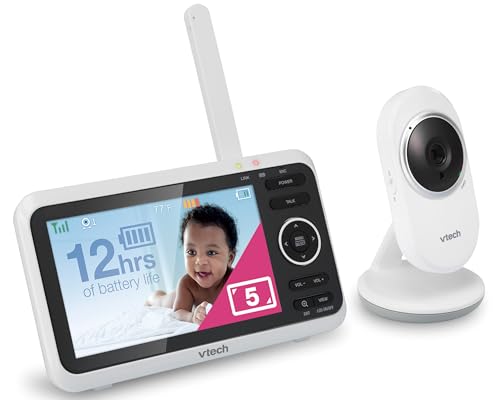


The VTech VM350 No WiFi Video Baby Monitor is a budget-friendly option that still delivers reliable performance, making it one of the best baby monitors for parents who want simple and secure monitoring without internet connectivity. It features a 5-inch high-resolution display that shows clear daytime video and automatic infrared night vision so you can monitor your baby even in low-light conditions.
- Affordable and Reliable: A great value option that provides essential features without the high price of smart monitors.
- Secure No-WiFi Connection: Uses FHSS technology for a private, hack-proof connection between camera and monitor.
- Long Range and Battery Life: Up to 1000 feet of range and extended battery performance for flexible monitoring around the home.
- Fixed Camera Position: The camera does not support pan or tilt, limiting viewing angles in the nursery.
- Basic Video Resolution: While clear enough for monitoring, the video quality is lower than HD smart monitors.
- No Smartphone App: Cannot be accessed remotely through a phone or tablet since it does not use Wi-Fi.
Best for simple nursery monitoring
This audio baby monitor allows caregivers to listen for crying and other sounds from the nursery without requiring a video display or complicated monitoring system.
Key features:
- Digital audio transmission.
- Visual sound-level indicators.
- Portable parent unit.
- Straightforward controls.
Keep the monitor and its cords at least three feet away from the crib. Baby monitors do not prevent sudden infant death syndrome (SIDS) or replace caregiver supervision.
4. NICETOWN Blackout Curtains
The VTech VM350 No WiFi Video Baby Monitor is a budget-friendly option that still delivers reliable performance, making it one of the best baby monitors for parents who want simple and secure monitoring without internet connectivity. It features a 5-inch high-resolution display that shows clear daytime video and automatic infrared night vision so you can monitor your baby even in low-light conditions.
- Affordable and Reliable: A great value option that provides essential features without the high price of smart monitors.
- Secure No-WiFi Connection: Uses FHSS technology for a private, hack-proof connection between camera and monitor.
- Long Range and Battery Life: Up to 1000 feet of range and extended battery performance for flexible monitoring around the home.
- Fixed Camera Position: The camera does not support pan or tilt, limiting viewing angles in the nursery.
- Basic Video Resolution: While clear enough for monitoring, the video quality is lower than HD smart monitors.
- No Smartphone App: Cannot be accessed remotely through a phone or tablet since it does not use Wi-Fi.
Best for reducing unwanted nursery light
Blackout curtains can help minimize early morning sunlight and distracting outdoor lighting, making the nursery more suitable for daytime naps and evening bedtime routines.
Key features:
- Room-darkening fabric.
- Multiple color and size options.
- Thermal insulation.
- Reusable curtain panels.
Install curtains securely and position the crib away from windows, curtain fabric, and window covering cords.
Safe Sleep Guidelines Every Parent Should Know
A safe sleeping environment should always take priority over convenience or attempts to extend sleeping hours.
How Much Sleep Do Babies Need by Age?
A baby’s sleep requirements gradually decrease throughout the first year. Although newborns spend much of their time sleeping, older babies tend to have longer periods of wakefulness, fewer daytime naps, and more consolidated nighttime sleep.
According to the Centers for Disease Control and Prevention (CDC), newborns need around 14 to 17 hours of daily sleep, while infants aged 4 to 12 months need 12 to 16 hours, including naps.
Baby Sleep Requirements by Age Chart
| Baby’s age | Total daily sleep | Typical daytime naps |
|---|---|---|
| 0–1 month | 14–17 hours | Several throughout the day |
| 1–3 months | 14–17 hours | 4–5 or more |
| 4–5 months | 12–16 hours | 3–4 |
| 6–8 months | 12–16 hours | 2–3 |
| 9–12 months | 12–16 hours | 2–3 |
| 12–24 months | 11–14 hours | 1–2 |
Source: CDC Sleep Recommendations. Nap frequencies are approximate developmental patterns rather than strict medical recommendations.
These ranges should be used as general guidelines rather than rigid schedules. Some babies naturally sleep slightly more or less than others while maintaining healthy growth and development.
Understanding Your Baby’s Sleep Needs at Every Stage
Newborns From Birth to 1 Month
Newborns do not have a fully developed internal body clock, which means they cannot consistently distinguish between daytime and nighttime.
Although newborns sleep for many hours, their sleep is usually divided into short periods. Frequent waking allows them to receive the nutrition needed for healthy growth.
During this stage, parents should prioritize feeding, responsive care, and safe sleeping arrangements rather than establishing a strict sleep schedule.
Babies From 1 to 3 Months
During the first three months, babies gradually become more alert during the day. Their nighttime sleep may also begin to lengthen as their natural sleep-wake rhythm develops.
Simple habits, such as exposing babies to natural daylight in the morning and keeping nighttime feedings quiet, may help reinforce the difference between day and night.
Frequent waking remains completely normal during this period.
Babies From 4 to 6 Months
Around four months, infant sleep patterns begin to mature. Babies may transition between sleep stages more noticeably, sometimes resulting in additional nighttime awakenings.
This developmental change is commonly called the four-month sleep regression.
Parents may also notice more predictable naps, longer awake periods, and an emerging bedtime routine.
Babies From 7 to 9 Months
By this age, many babies have developed a more recognizable daily sleeping pattern.
However, developmental milestones such as crawling, sitting independently, and increased awareness of their surroundings may temporarily disrupt sleep. Separation anxiety can also make settling at bedtime more challenging.
Babies From 10 to 12 Months
As babies approach their first birthday, many sleep for longer stretches at night and take two daytime naps.
Increased mobility, emerging communication skills, and growing independence can influence sleeping habits. Maintaining a flexible but consistent daily routine can help babies adjust to these changes.
Why Sleep Is Important for Babies
Sleep supports several biological processes that contribute to healthy infant development.
Supports Brain Development
During sleep, the brain processes information gathered throughout the day. These processes support learning, memory formation, and the development of connections between brain cells.
Everyday experiences, such as hearing familiar voices and interacting with toys, contribute to this ongoing development.
Promotes Physical Growth
Sleep supports the release of hormones involved in growth and tissue development. Adequate rest, combined with appropriate nutrition, helps support a baby’s rapidly developing body.
Supports Emotional Regulation
Overtired babies may become increasingly fussy, restless, or difficult to soothe.
Sufficient sleep helps support emotional regulation and allows babies to engage more comfortably with their surroundings during awake periods.
Supports Immune Function
Healthy sleep contributes to normal immune system function. Alongside adequate nutrition and appropriate medical care, consistent rest supports overall health and well-being.
Understanding Baby Sleep Cycles
Babies experience different stages of sleep, including active sleep and quiet sleep.
Active Sleep
Active sleep is associated with rapid eye movement (REM). During this stage, babies may smile, twitch, move their arms and legs, or make small noises.
These movements do not necessarily indicate that a baby is awake or uncomfortable.
Quiet Sleep
During quiet sleep, babies generally move less and breathe more regularly. This stage becomes more organized as their sleep patterns mature.
Because infant sleep cycles are shorter and less mature than adult sleep cycles, babies may briefly awaken several times throughout the night.
Not every nighttime movement requires immediate intervention. Parents can observe whether their baby is simply transitioning between sleep stages or needs feeding, comfort, or other care.
How Long Should Babies Stay Awake Between Naps?
A wake window refers to the period a baby spends awake between sleeping sessions.
Understanding wake windows can help parents recognize when their baby may be ready for another nap.
| Age | Approximate wake window |
|---|---|
| 0–1 month | 30–60 minutes |
| 1–3 months | 45–90 minutes |
| 4–5 months | 1.5–2.5 hours |
| 6–8 months | 2–3 hours |
| 9–12 months | 2.5–4 hours |
Wake windows are practical estimates, not scientifically established requirements. Hunger, illness, stimulation, and individual development can affect how long a baby comfortably remains awake.
Following your baby’s natural tiredness cues is generally more helpful than relying exclusively on the clock.
Signs Your Baby Is Getting Enough Sleep
Parents can often assess sleep quality by observing their baby’s behavior throughout the day.
Common signs of adequate rest include:
- Waking naturally from some naps.
- Appearing alert and responsive during awake periods.
- Feeding regularly and maintaining healthy growth.
- Showing interest in toys, familiar faces, and surroundings.
- Settling relatively comfortably when tired.
An occasional restless night or missed nap does not necessarily indicate a sleep problem. Overall sleeping patterns and daytime behavior provide a more useful picture.
Signs Your Baby Is Overtired
Keeping a baby awake for too long can sometimes make settling more difficult rather than encouraging longer sleep.
Signs of overtiredness may include:
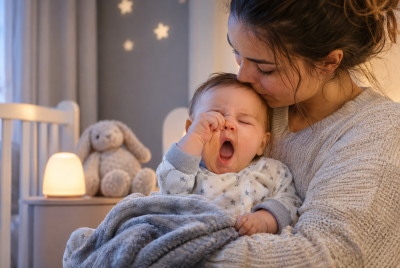
- Frequent yawning and eye rubbing.
- Increased crying or fussiness.
- Looking away from people or activities.
- Difficulty settling at bedtime.
- Unusually restless behavior.
- Short or interrupted naps.
Early tiredness cues can be subtle. Responding before a baby becomes excessively upset may make the transition to sleep more comfortable.
Common Reasons Babies Wake Up at Night
Nighttime waking is a normal part of infant development. However, several factors can influence how frequently babies awaken.
Hunger
Newborns and younger infants require regular feeding. Nighttime feeding may remain necessary as babies grow, depending on their nutritional needs and development.
Developmental Milestones
Learning to roll over, crawl, stand, or communicate may temporarily affect sleeping patterns.
Teething and Illness
Tender gums, nasal congestion, fever, and other discomforts can interrupt otherwise predictable sleeping routines.
Environmental Discomfort
Excessive noise, bright lighting, uncomfortable clothing, and overheating can make it difficult for babies to settle.
Separation Anxiety
Older babies may become more aware when parents leave the room. This can result in additional crying during bedtime or nighttime awakenings.
How to Help Your Baby Sleep Better
Although uninterrupted sleep cannot be guaranteed, several everyday habits can encourage healthier sleeping patterns.
Establish a Consistent Bedtime Routine
A predictable routine helps babies gradually associate certain activities with bedtime.
A simple routine might include a diaper change, feeding, comfortable sleepwear, a short story, gentle singing, and dimmed lights.
The routine does not need to be lengthy or complicated. Consistency is more important than the number of activities involved.
Create a Comfortable Sleep Environment
Keep the sleeping area comfortably cool, reduce unnecessary lighting, and minimize sudden or disruptive noises.
Avoid overdressing your baby. Sweating, flushed skin, or a hot chest may indicate overheating.
Encourage Daytime Activity
Age-appropriate play, supervised tummy time while awake, and exposure to natural daylight can help reinforce developing sleep-wake rhythms.
Follow Natural Sleep Cues
Instead of forcing a strict schedule, watch for signs that your baby is becoming tired. Offering naps when these signs appear may help prevent overtiredness.
Keep Nighttime Interactions Calm
During nighttime feedings and diaper changes, use dim lighting and avoid unnecessary stimulation. This can gradually reinforce the distinction between daytime activities and nighttime rest.
The American Academy of Pediatrics recommends several precautions to reduce the risk of sleep-related infant deaths.
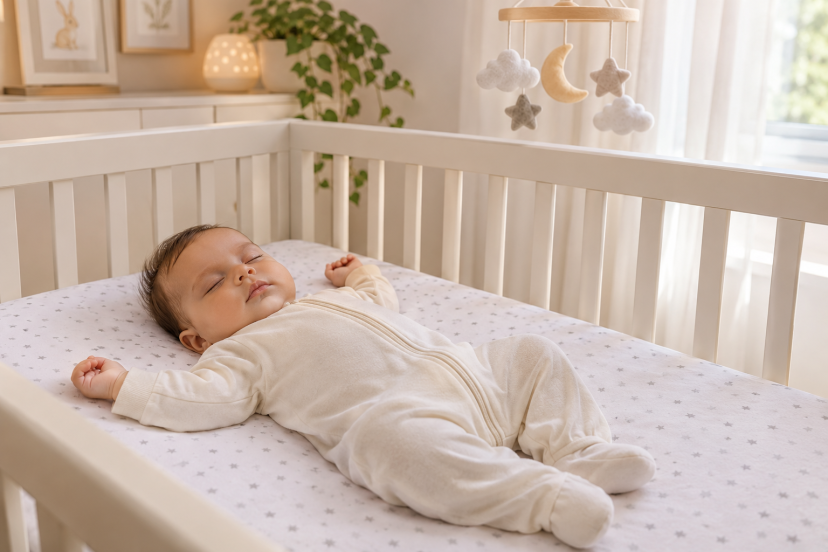
- Place babies on their backs for every nap and nighttime sleep.
- Use a firm, flat, non-inclined sleep surface with a fitted sheet.
- Keep pillows, stuffed animals, crib bumpers, and loose blankets out of the sleeping area.
- Share a room, but not a bed, ideally for at least the first six months.
- Avoid weighted blankets, weighted swaddles, and infant sleep positioners.
- Stop swaddling when your baby begins showing signs of attempting to roll over.
- Avoid overheating and covering your baby’s head during indoor sleep.
- Transfer babies who fall asleep in swings, strollers, or car seats to an appropriate sleep surface as soon as safely possible.
These recommendations apply to daytime naps as well as nighttime sleep.
Can Babies Sleep Too Much?
Although babies require considerable rest, excessive sleepiness can occasionally indicate an underlying concern.
A baby who sleeps longer than usual following a busy day may simply need additional rest. However, persistent changes in sleeping behavior should be monitored.
Contact your pediatrician if your baby:
- Regularly misses necessary feedings because of sleepiness.
- Consistently feeds poorly or struggles to gain weight.
- Has fewer wet diapers than usual.
- Experiences persistent snoring or unusual breathing during sleep.
- Shows a sudden, unexplained change in sleeping habits.
Seek immediate medical attention if your baby is unusually difficult to wake, has trouble breathing, or develops blue or gray lips or skin.
Newborns may need to be awakened for feeding until adequate weight gain is established and their pediatrician confirms that longer sleeping periods are appropriate.
Helping Your Baby Develop Healthy Sleep Habits
Understanding how much sleep babies need is an important part of supporting their growth and development. While sleep requirements gradually change throughout the first year, consistent routines, responsive caregiving, and safe sleeping environments remain essential.
Rather than comparing your baby’s sleeping habits with those of other children, focus on their individual needs, feeding patterns, development, and overall well-being.
Healthy sleeping habits develop gradually. With patience, consistency, and realistic expectations, parents can create routines that support better rest for their babies and the entire family.
Frequently Asked Questions
1. How many hours should a newborn sleep in 24 hours?
Newborns generally need 14 to 17 hours of sleep within a 24-hour period. Their sleep is distributed throughout the day and night, with frequent awakenings for feeding, diaper changes, and comfort.
2. At what age do babies start sleeping through the night?
Some babies begin sleeping for longer uninterrupted stretches between four and six months. However, many continue waking at night throughout their first year. Individual development, feeding requirements, and health can influence nighttime sleeping patterns.
3. Should babies nap in a dark room during the day?
A dim or dark room may help reduce distractions during naps, particularly for older babies. Newborns can also benefit from exposure to natural daylight during awake periods to support the development of their internal body clocks.
4. Does keeping a baby awake longer help them sleep better at night?
Not necessarily. Keeping babies awake beyond their comfortable wake windows can lead to overtiredness, increased fussiness, and difficulty settling. Age-appropriate naps and consistent routines may support healthier nighttime sleep.
5. Is it normal for babies to move and make noises while sleeping?
Yes. Babies often twitch, smile, grunt, or move during active sleep. These behaviors are generally normal. However, persistent breathing difficulties, unusual skin discoloration, or other concerning symptoms require medical attention.